Nothing in a grocery store is where it is by accident. The layout, the lighting, the music, the size of your cart — all of it was tested and installed by people whose job is to get you to spend more than you planned. None of this is a conspiracy theory; it's just merchandising, and once you can see the tricks, they mostly stop working on you. Here's the store's playbook, tactic by tactic, and the plain counter-move for each.
The path they make you walk
Almost every store funnels you the same way: produce and bakery near the entrance, dairy and eggs at the very back, and a long march past everything else to get there. The fresh, fragrant sections up front put you in a good mood and make you feel like you're eating well, which makes you more willing to say yes to less healthy things later. Putting staples like milk at the far wall guarantees you walk the entire perimeter — and every aisle in between — on every trip.
Counter-move: Shop with a list ordered by what you actually need, not by the store's floor plan, and treat any aisle not on your route as off-limits. If you only need three things, don't do a lap — go get them and leave.
Eye level is buy level
Shelf space isn't distributed evenly. Brands pay for prime real estate at adult eye level, while store-brand and lower-margin options get pushed to the top shelf, the bottom shelf, or off to the side. Kids' cereals and snacks, not coincidentally, tend to sit at a child's eye level in a cart seat. Endcaps — the displays at the ends of aisles — look like clearance sales but are usually just paid placement; the item isn't necessarily cheaper, just more visible.
Counter-move: Physically scan top and bottom shelves before you grab what's in front of your face. Treat an endcap as a prompt to check the regular shelf price for the same item before assuming it's a deal.
The anchor and the decoy
Pricing displays are designed to change what feels normal, not just what things cost.
Anchoring
A large "regular price" shown crossed out next to a lower one makes the lower number feel like a win, even if that regular price was rarely, if ever, the actual selling price. Your brain compares the two shelf numbers instead of asking whether the price is good on its own terms.
Decoy pricing
Multi-buy deals ("buy a set number, get a discount") are engineered to make you purchase more units than you needed, and a middle-sized option is sometimes priced close to the largest size specifically to make the largest look like the obvious smart choice.
Counter-move: Ignore the crossed-out number entirely and look only at the per-unit price on the shelf tag. Ask yourself whether you'd buy this quantity at this price if there were no sign at all.
The sensory playbook
Stores engineer what you smell, hear, and see to shape spending without you noticing.
- Smell: Bakery and rotisserie aromas are often pushed toward the entrance on purpose. Pleasant food smells increase hunger and general purchasing, not just purchases of that specific food.
- Music: Slower tempo music tends to slow your walking pace, which increases time in the store and, with it, spending. Familiar music also relaxes shoppers, making them less price-sensitive.
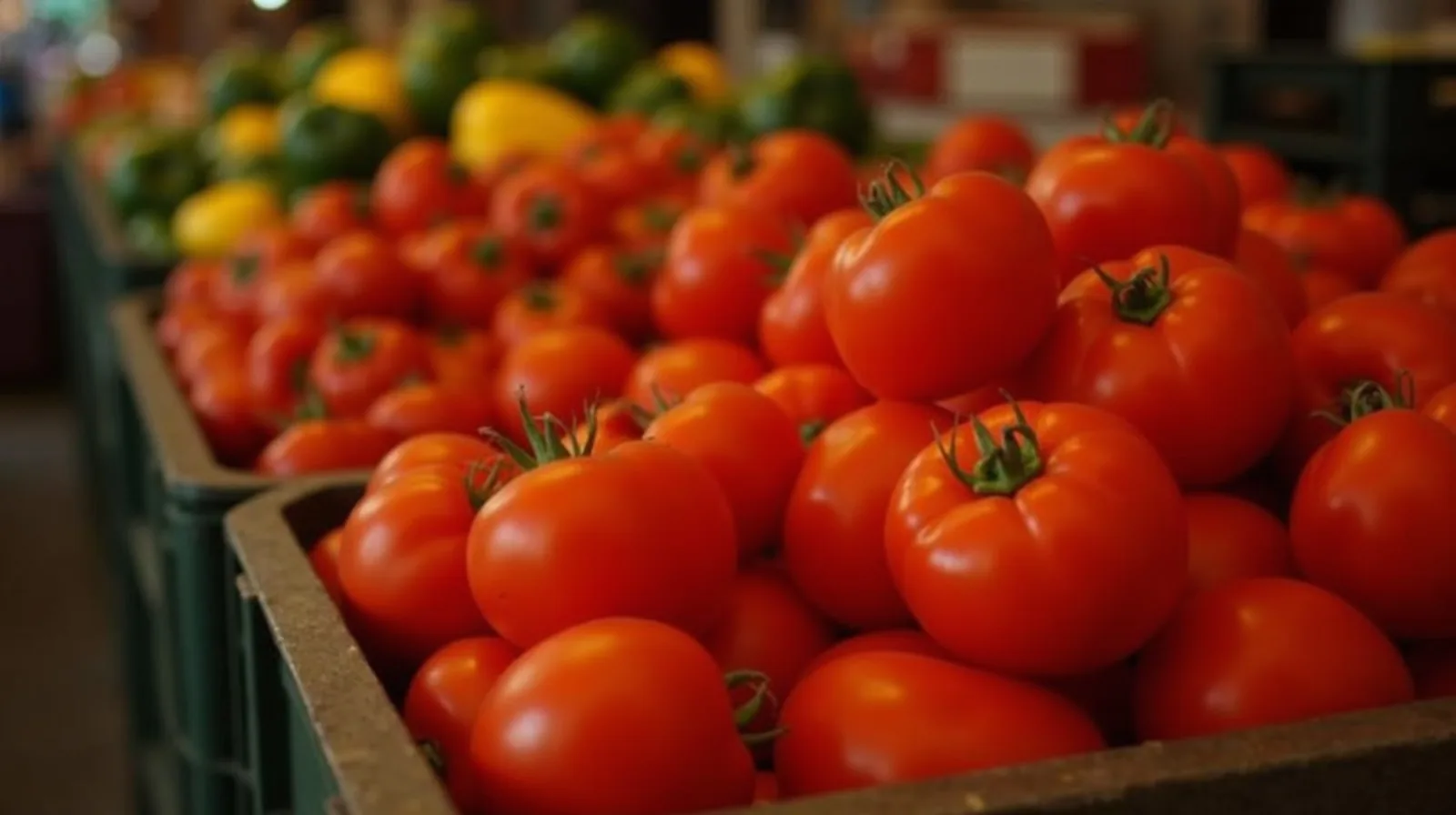
- Lighting: Bright, warm lighting over produce makes fruits and vegetables look fresher and more vivid than they may actually be.
Counter-move: Shop with a rough time budget and a list, so a slower pace and a good mood don't quietly turn into a longer trip and a fuller cart. Never shop hungry — it amplifies every sensory cue in the store's favor.
The store isn't lying to you with any single tactic. It's stacking small nudges — a smell, a shelf height, a slowed-down song — that add up to a cart bigger than the one you walked in planning to fill.
The loyalty app is a data trade
Loyalty programs and store apps aren't primarily a gift to you. In exchange for a modest discount, you hand over a detailed, itemized record of everything you buy, which the store uses to time offers and learn how much you'll pay before switching elsewhere. Personalized "just for you" coupons are often calculated to nudge you toward items you don't normally buy, not to reward the ones you already do.
Counter-move: Use loyalty programs for the discounts if you want them, but don't let a coupon talk you into an item that wasn't already on your list. A discount on something you didn't need isn't a savings — it's spending you wouldn't have done otherwise.
The cart is bigger than your list
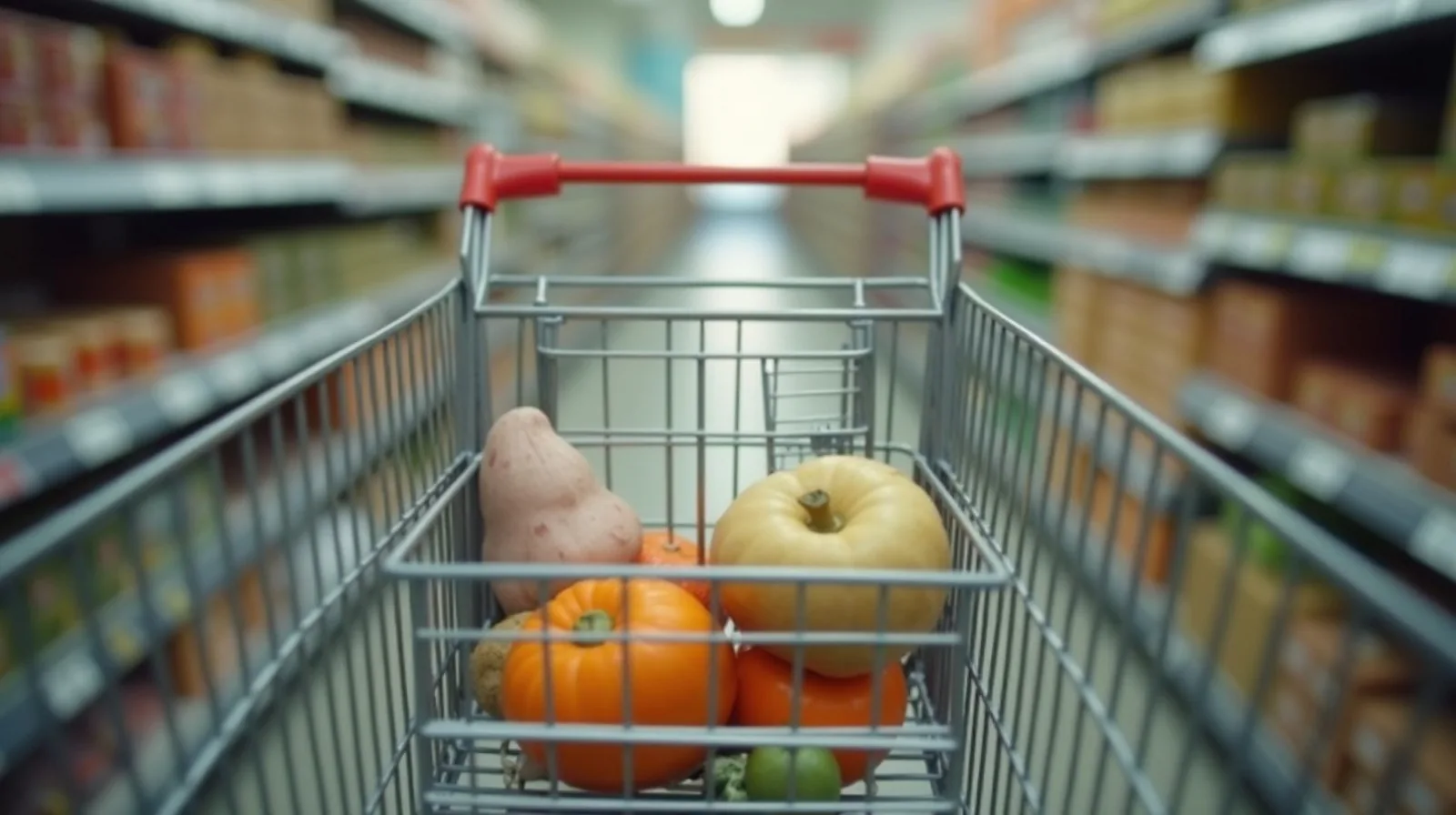
Shopping cart sizes have grown substantially over the decades, and that's not an accident of manufacturing — a half-empty cart subconsciously signals you haven't bought enough, nudging you to keep adding. Baskets work the same way in miniature: shoppers tend to buy more when a basket has two handles instead of one, since carrying weight on one arm is a more obvious signal that you're overbuying.
Counter-move: If you only need a handful of items, grab a basket, not a cart. If a cart is unavoidable, don't let its emptiness dictate your list — your list dictates the cart, not the other way around.
The last twenty feet
The checkout lane is the store's final, best-tested opportunity: a captive audience standing still, staring at candy, gum, and small impulse items shelved at exactly the right height to catch a bored eye or a restless kid's hand. Self-checkout lanes get the same treatment, often lining the belt with last-chance items.
How to get through it clean
- Have your list checked off before you're in line, so nothing feels like "just one small extra thing."
- Step slightly away from the impulse racks while you wait, rather than standing right in front of them.
- If you're shopping with kids, give them a small, planned treat earlier in the trip so checkout doesn't become a negotiation.