
Save Money
Cut costs without cutting the fun out of your life — practical ways to spend less on groceries, bills, insurance, and everyday stuff.
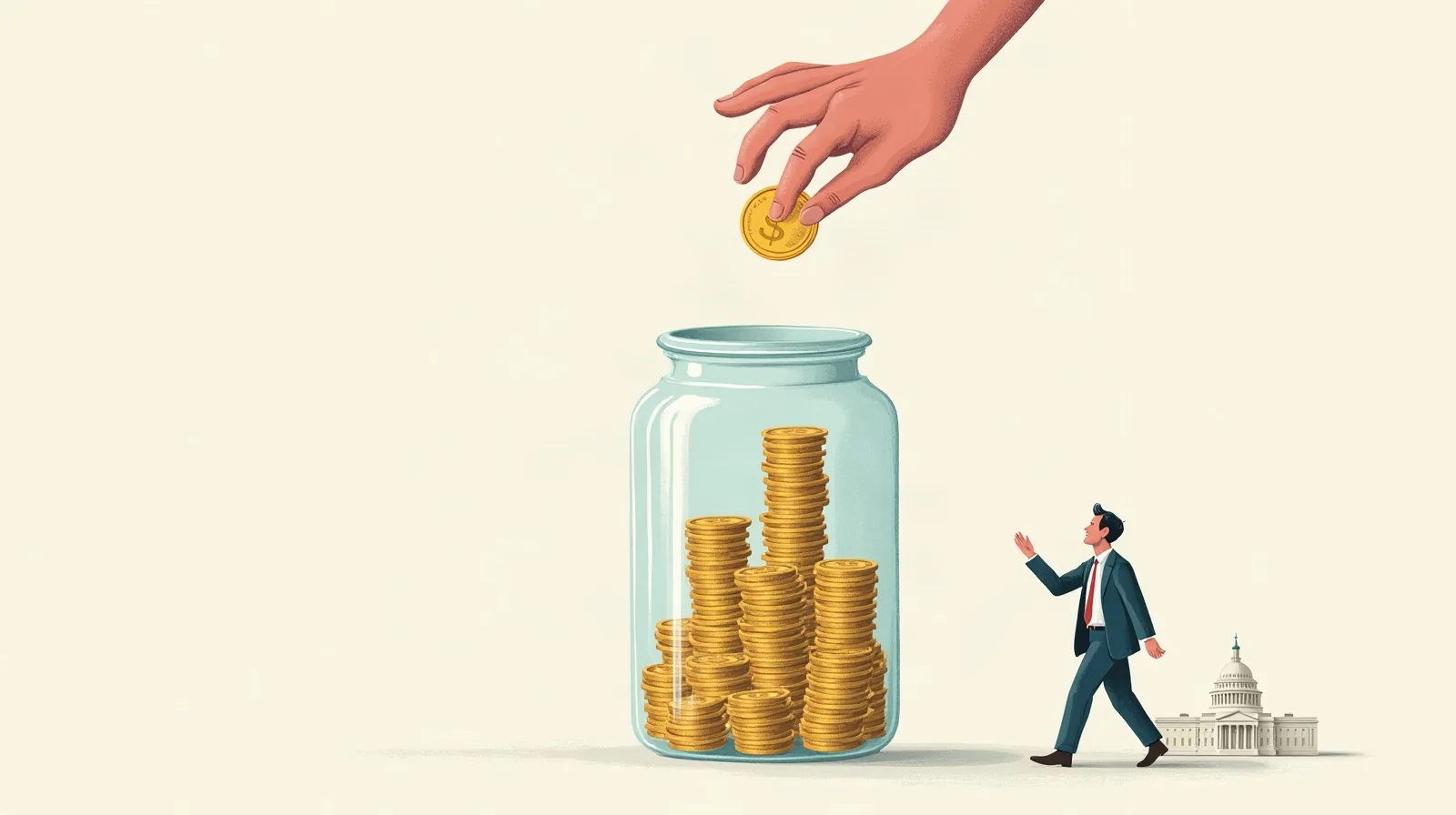
Yes, Your Savings Account Interest Is Taxable — Here's How It Actually Works
That savings account or CD is quietly generating a tax bill along with its interest — and it doesn't matter whether you spent the money or left it untouched. Here's how savings interest actually gets taxed, and the few legitimate ways to shelter some of it.
More in Save Money

How Tap-to-Pay Actually Works (And Why It's Safer Than Swiping)
Holding a card or phone near a checkout screen for half a second feels less serious than swiping or inserting one — like a shortcut the store is letting you take. It isn't a shortcut. Here's the real mechanics behind…

How Peer-to-Peer Payment Apps Actually Work (And Where the Fees Hide)
Splitting a dinner bill or paying a friend back feels instant and free on a payment app, but your money is still taking a real path with real friction along the way. Here's how the transfer actually…

How to Spot a Fake Online Store Before You Pay
Fake online stores don't look fake anymore — they run on the same templates, product photos, and reviews real ones do. Here's what still gives one away…

How to Stop an Automatic Payment (Even After You've Canceled)
Canceling a subscription and stopping the money that keeps leaving your account are two different jobs. Here's how to actually stop an automatic payment, and what to do when…

Why the Price You See Online Isn't the Price Everyone Sees
The price you see when you shop online isn't fixed — it can shift with your device, your location, your browsing history, and whether…

How to Spot a Personalized Scam (Before It Costs You)
A scam that opens with your real name, your employer, or the delivery you're actually expecting feels different — but the mechanics underneath haven't…

Where to Park Your Cash: Savings Accounts, CDs, and Money Market Accounts Compared
A savings account, a CD, and a money market account all promise to keep your cash safe — but they trade away very different amounts of access and…

Lending Money to Family or Friends: What to Weigh Before You Say Yes
A loan to someone you love skips every safeguard a bank would use — no credit check, no collateral, no agency to report a default. Here's the framework…
How Compound Interest Actually Works (and Why Starting Ugly Beats Starting Late)
Compound interest is interest earning interest. Seen on a timeline it's startling — and it's why starting early and imperfectly beats waiting to start right.

How to Negotiate Your Bills: Internet, Insurance, and Even Medical
Internet, insurance, and medical bills are more negotiable than you think. Here are the scripts, the timing, and the psychology behind the calls most people skip.
Lifestyle Creep: The Raise You Never Feel
Every raise quietly gets absorbed by nicer defaults until it disappears. Here's why lifestyle creep happens and the one automation that catches the money first.

Cut Your Grocery Bill Without Clipping a Single Coupon
Skip the coupons. These structural grocery habits — shopping your kitchen first, buying on unit price, and wasting less — lower your bill every single week.

The Best Time of Year to Buy Almost Anything
Prices for most things move on a predictable annual calendar. Here's when electronics, furniture, clothing, cars, and more tend to hit their lowest points.

When Did You Last Shop Your Insurance? The Re-Quote Ritual
Insurers quietly nudge loyal customers' premiums up over time. A once-a-year re-quote ritual shops the same coverage around and keeps the loyalty penalty in check.

Teaching Kids About Money, Age by Age
A calm, age-by-age guide to raising money-smart kids — from coins and patience for toddlers to jars, allowance, and a first paycheck for teens.

12 Painless Ways to Save Money This Summer
Summer has a sneaky way of draining your bank account. Here are twelve low-effort moves that keep the fun and cut the waste.

Drive It Into the Ground or Upgrade? The Car-Keeping Math
That big repair bill feels like the end — but it's usually still cheaper than a new car. Here's the honest math on when to keep driving and when to upgrade.

How Big Should Your Emergency Fund Actually Be?
'Three to six months of expenses' is the standard advice — and it's uselessly vague. Here's how to find your real number.

The 24-Hour Rule: Outsmarting Your Own Impulse Spending
Impulse buys aren't a willpower problem — they're a design problem. Build friction into the moment of purchase with the 24-hour rule and a few simple tricks.

Meal Planning That Survives Real Life
A low-effort meal-planning system for people who hate meal planning: a short rotation of go-to meals, theme nights, and pantry backups that beat takeout.
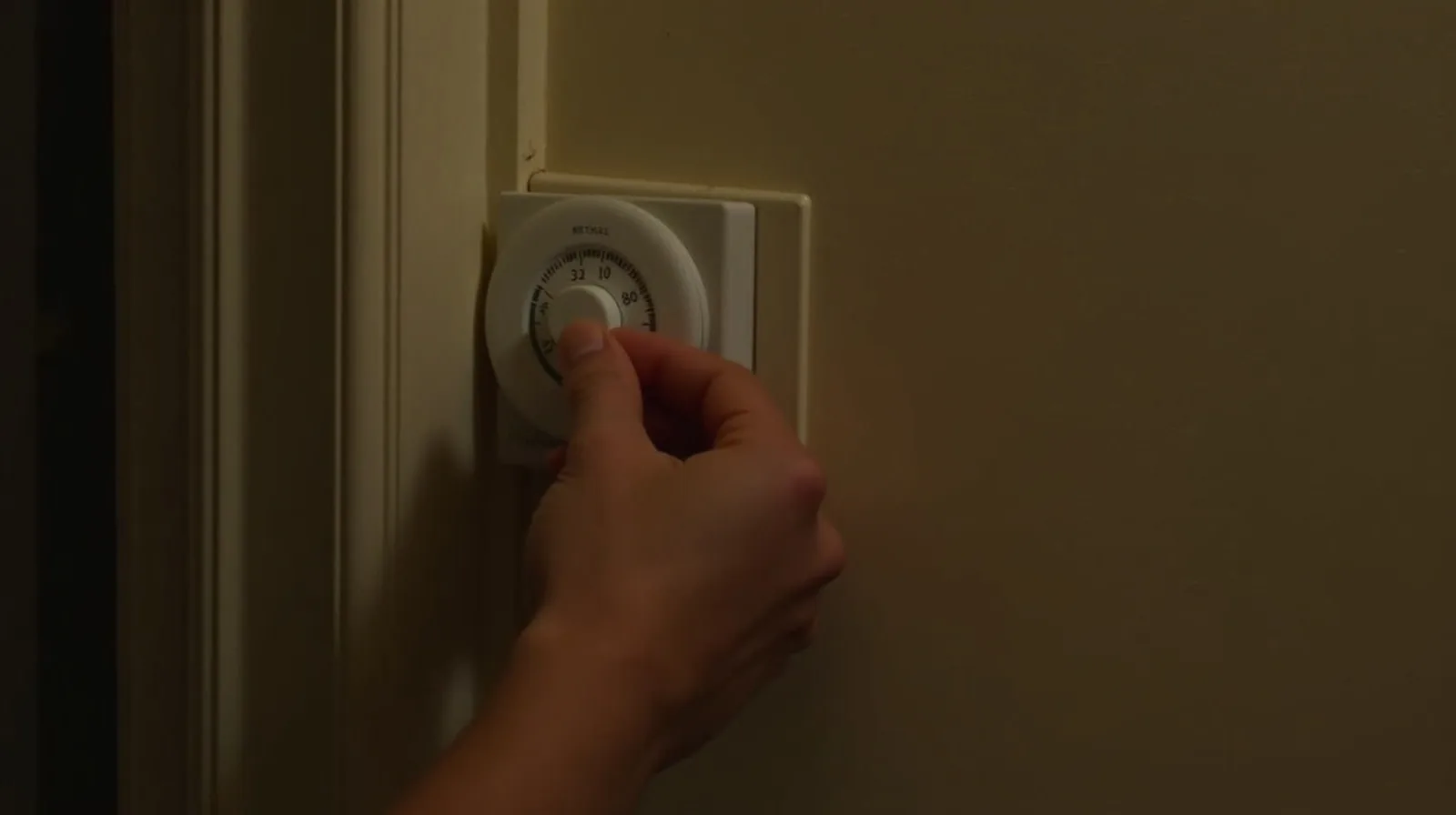
Cut Your Energy Bill Without Freezing: A DIY Home Audit
A room-by-room DIY home energy audit, ranked by payoff versus effort — seal the leaks, tune the thermostat, and stop the waste, all without giving up your comfort.

The Real Math of Buying in Bulk (When It Saves, When It Doesn't)
Bulk buying only saves if you actually use it before it spoils. Here's the unit-price math, the hidden costs of storage and overconsumption, and a checklist for when bigger is truly cheaper.

Buy It Used: What to Always (and Never) Buy Secondhand
A plain-English, category-by-category guide to the secondhand market — what to always buy used, what to inspect closely, and what to never buy secondhand.

The Grocery Store Is Designed to Beat You: The Psychology Playbook
Grocery stores are engineered from the floor plan to the checkout lane to make you spend more — here's the psychology behind the layout, pricing, and impulse zones, and how to outsmart it.