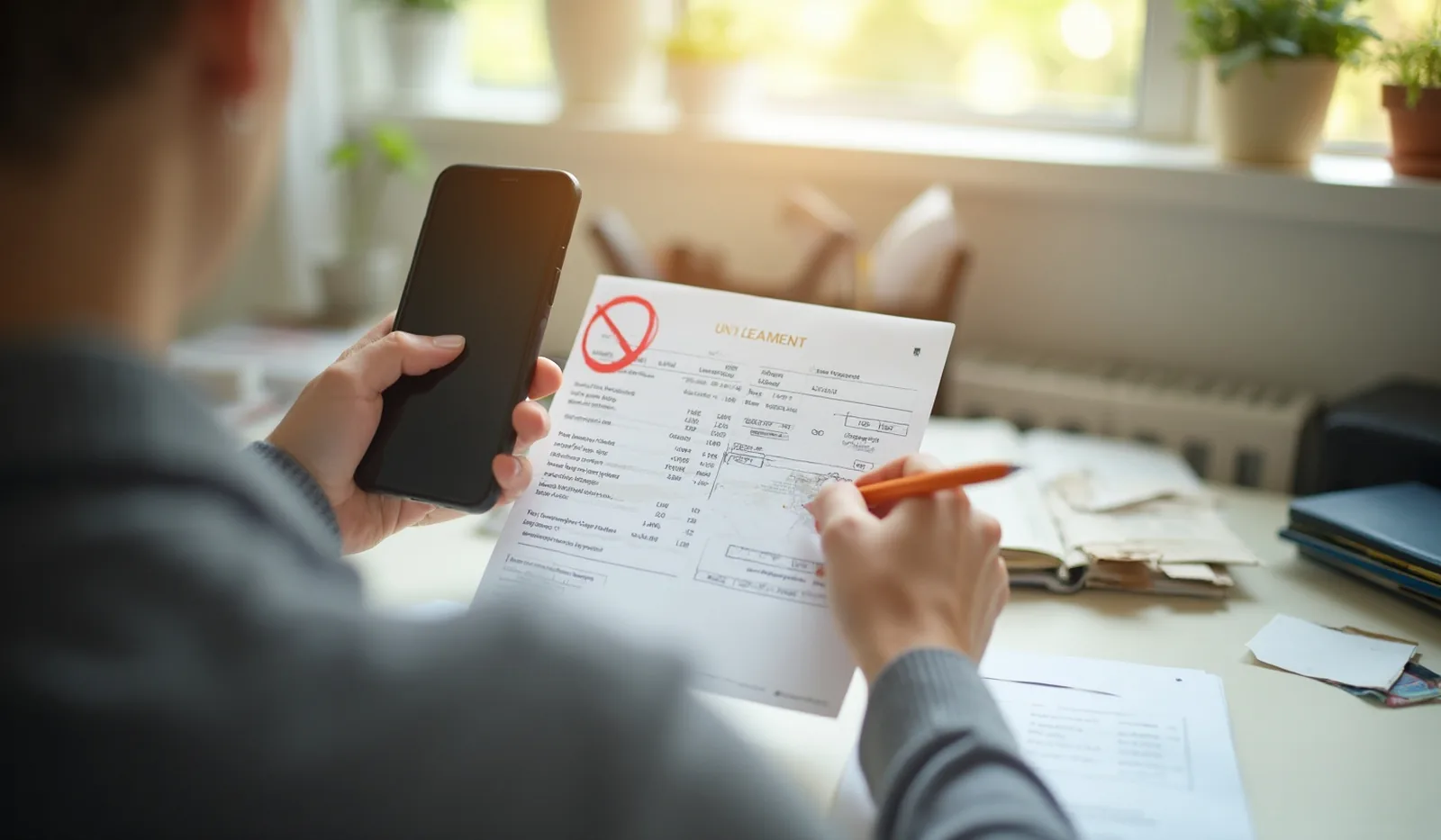

A fake store used to be easy to catch from the homepage alone — a jumbled layout, a product description that read like it had been translated twice, a checkout that looked like it was built over a lunch break. That version of the scam is mostly gone. The same easy website builders, stock-photo libraries, and AI writing and image tools that let a small honest seller launch a clean, professional-looking shop in a weekend let a scammer do exactly the same thing, in exactly the same weekend — complete with polished product photography, a wall of five-star reviews, and a checkout page that looks, at a glance, indistinguishable from a real one.
None of that makes these sites unbeatable. It means the checks that used to work — does the design look cheap, is the English broken — don't reliably work anymore. What still works is checking the things a fake storefront can't cheaply fake: how old the site actually is, what its reviews actually look like up close, and what happens the moment you try to pay.
Why the old tells stopped being reliable
A polished, professional-looking website used to be a real signal. Building one took time, design skill, and money — resources a fly-by-night scam site usually couldn't be bothered to spend for a store it planned to abandon in a few weeks anyway. That's why "it looks legit" used to be worth something as a gut check.
That signal has quietly collapsed. A convincing storefront, product photos, and marketing copy are now cheap and fast to produce, template-driven and largely automated, which means a professional look no longer separates a real retailer from a scam one — it just means someone spent an afternoon on it, and both real sellers and scammers can afford that afternoon equally. The tell didn't move to a subtler version of "does this look right." It moved to things that are expensive or slow for a scam operation to fake, even now.
Check how old the site actually is before you check the price
A domain's registration date is one of the hardest things for a scam storefront to fake, because faking it means actually owning the domain for that long — and most scam sites don't. The typical pattern is a domain registered days or weeks ago, dressed up to look like an established retailer, running just long enough to collect orders and payment details before it disappears and reopens under a new name.
Before you check out anywhere you haven't bought from before, paste the site's domain into any free domain-age lookup tool. A site that's existed for years is a good sign, not proof by itself. A site registered in the last few weeks, especially one advertising a well-known brand at a steep discount, is the single strongest tell you'll find anywhere on the page. It's also worth comparing the exact spelling of the address to the real brand's actual domain — an extra letter, a hyphen, or a swapped ending is a classic move, and it's an easy one to miss when you clicked in from an ad or a social post instead of typing the address yourself.
Read the reviews like a skeptic, not a shopper
A star rating and a review count are two of the easiest things on a page to fabricate, so treat them as decoration and look at the reviews themselves instead. A handful of patterns show up again and again on fake ones: dozens of reviews all posted within the same few days, first names paired with a single last initial repeated across supposedly different shoppers, glowing paragraphs that read like ad copy rather than a person describing what actually arrived, and an almost total absence of photos, specifics, or anything less than five stars.
The most useful check happens off the store's own page. Search the store's name alongside a skeptical word or two before you buy — a pattern that's already burned someone else usually leaves a visible complaint trail somewhere the store itself doesn't control, and can't quietly delete.
- A burst of reviews in a tight date window reads like a launch push, not organic shopping over time.
- Interchangeable, generic praise with no specific detail about sizing, shipping, or the actual product is easier to mass-produce than it is to fake convincingly at scale.
- No negative or middling reviews at all is itself a red flag — every real store selling real volume accumulates a few honest three-star reviews eventually.
What a real checkout page has that a fake one skips
A legitimate retailer's checkout page carries a few things that cost a scam site real effort or real accountability to include, which is exactly why fake ones tend to skip or fake them thinly: a verifiable physical address rather than a vague city name, a working phone number or email that actually gets answered, and a specific, coherent return and refund policy rather than a boilerplate paragraph pasted in with a different company's name still buried in it.
The clearest tell of all is the list of accepted payment methods. A legitimate store lets you pay with a standard credit or debit card, because card networks require merchants to meet real verification standards and give you real dispute rights if something goes wrong. A site that steers you toward a bank transfer, cryptocurrency, or gift cards — or dangles a "discount" for choosing one of those instead — is asking for a payment method precisely because it can't be clawed back once it's sent. That single detail is worth more than every other signal on the page combined.
One myth worth retiring: the small padlock icon or "https" in your browser only means the connection between you and the site is encrypted. It says nothing about who's actually running the store on the other end — any site, honest or not, can set that up for free in minutes. It protects the data in transit, not your judgment about who's receiving it.
If you already paid
Speed matters more than anything else here. Contact your card issuer as soon as you suspect a purchase was fraudulent and explain that you believe the merchant is illegitimate — this starts a dispute, and card networks generally give you real recourse for exactly this situation. Save everything before the storefront can vanish: screenshots of the product listing, the checkout page, and any confirmation email, since a fake site is often taken down or restyled the moment complaints start rolling in, sometimes within hours.
If you paid by wire transfer, cryptocurrency, or gift card, be honest with yourself that recovery odds are low — those payment methods were the whole reason the site steered you toward them. It's still worth reporting the store to your card network's fraud team (if a card was involved anywhere in the process) and to your bank, since reported patterns help flag repeat offenders faster. Keep an eye on your statements for a few weeks afterward, too; some fake stores exist mainly to harvest payment details, and the first sign of trouble can be an unrelated charge that shows up later, not the original one.
Most of the internet's storefronts are exactly what they claim to be, and none of this is a reason to shop nervously. It's a reason to spend the same minute you'd already spend comparing a price, checking the four things a scam site can't cheaply fake instead of the ones it can — because by the time a fake store looks convincing enough to fool your gut, your gut isn't the tool that catches it anymore.