Buying used is one of the great open secrets of personal finance. A huge share of the stuff we own barely cares whether it's had a previous owner — a bookshelf holds books just as well on its second life as its first — yet we routinely pay full retail out of habit. The catch is that “buy everything used” is terrible advice. Some categories are a gift on the secondhand market; others are a fast track to bringing home someone else's problem, or worse, something that quietly fails you in an emergency.
So here's a category-by-category map: the things worth buying used almost every time, the things that can be great buys if you inspect them like a skeptic, and the short list of things you should simply never buy secondhand.
Why “lightly used” is the sweet spot
The whole case for buying used rests on one boring, powerful idea: depreciation. A lot of goods lose a big chunk of their value the instant they're carried out of the store, even though they've lost almost none of their usefulness. The original owner ate that drop; you don't have to. That's why the real bargains aren't the beat-up, decades-old items — they're the gently-used ones, a year or two old, still with plenty of life left. You let someone else pay the “brand new” premium and you buy the exact same object a little later for meaningfully less.
Buy used almost every time
These are the categories where secondhand is usually the smart default. The value is high, the risk is low, and a previous owner changes little about how the thing works.
The reliable winners
- Solid-wood furniture. Real wood is built to be refinished and repaired. An older table is often sturdier than a new flat-pack one, and a scratch is a weekend project, not a defect.
- Hand tools and yard equipment. A good wrench, hand saw, or rake does not have a shelf life. Older tools are frequently better made than their current equivalents.
- Books and physical media. A story doesn't wear out. This is the closest thing to free money the secondhand world offers.
- Exercise and sporting gear. Weights, bikes, rackets, and camping equipment often get bought with great enthusiasm and used twice. Someone else's abandoned resolution is your bargain.
- Kids' clothes and toys. Children outgrow things long before they wear out. Buying these new at full price is one of the least efficient purchases in modern life.
- Gently-used vehicles. The classic depreciation story. A car a couple of years old has already taken its steepest value drop while keeping most of its useful lifespan.
- Some small appliances and musical instruments. A blender or a well-made guitar is often just as good on its second owner — and instruments in particular can improve with age.
Buy used, but inspect like a skeptic
This middle tier can absolutely be worth it — the savings are real — but only if you go in with your eyes open. The common thread is that these items either hide their wear or come with no safety net if something goes wrong.
Handle with care
- Mattresses. The savings can be tempting, but hygiene and hidden wear make these a gamble. If you go used, buy from a source you trust and inspect thoroughly.
- Upholstered furniture. Sofas and padded chairs can harbor pests you won't spot at a glance. Check seams and crevices closely before anything comes through your door.
- Electronics. Phones, laptops, and tablets can be great deals, but batteries wear down, and you're usually giving up any warranty. Test everything on the spot and assume you're on your own if it fails.
- Large appliances. A used refrigerator or washer can save real money, but there are typically no returns. Ask to see it running before you pay.
The rule with this group is simple: if you can't test it, inspect it, or return it, price in the risk that you're buying a problem.
Never buy these used
A short but non-negotiable list. These are the items where a previous life you can't see — a hidden crack, a slow wear, an invisible expiration — can genuinely put your health or safety on the line. The savings are never worth it.
Buy these new, full stop
- Safety gear. Helmets, car seats, and similar protective equipment are designed to work exactly once, in a crash. A used one may have already absorbed an impact you can't see, or aged past the point where it protects anyone.
- Tires. Wear and age both matter, and both are hard to judge from the outside. This is not the place to save.
- Certain personal and undergarment items. For plain hygiene reasons, some things should only ever be yours.
- Opened cosmetics. They expire, they harbor bacteria, and “lightly used” is exactly the problem.
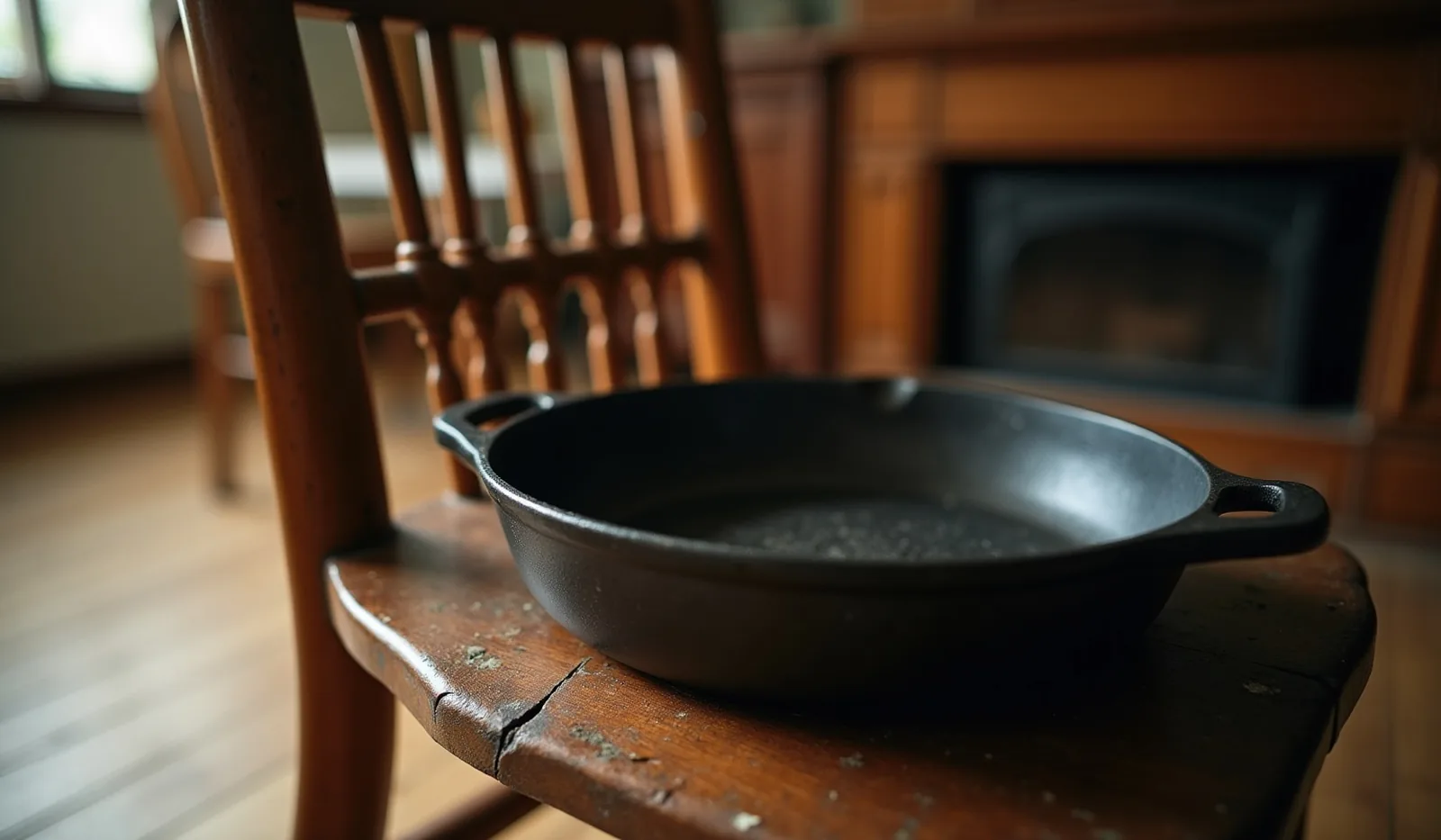
- Worn nonstick cookware. Once the surface is scratched or flaking, it belongs in the trash, not your kitchen.
How to inspect before you buy
For everything in the “buy used” and “inspect carefully” tiers, a few minutes of skepticism separates a great deal from a regret:
- Make it work in front of you. Plug it in, spin it up, sit on it, play a note. A working demo is worth more than any promise.
- Look where wear hides. Undersides, seams, hinges, cords, and corners tell the truth that the polished front does not.
- Ask why they're selling. The answer is often harmless, but it occasionally reveals the flaw you were about to miss.
- Know the new price first. A “deal” only means something if you know what the item costs fresh and how much life it has left.
Don't forget the resale side
Buying used is only half of the depreciation game. The same logic that makes secondhand a bargain also means the things you buy can be sold on when you're done with them. Choosing durable, well-made items — the kind that hold up and stay desirable — means you can recover part of what you paid later, whether you're upgrading, decluttering, or moving. Selling into the same online marketplaces, thrift stores, and estate sales where you found your deals turns your closet into a slow, low-key refund.