Somewhere between buying a house and buying a blender, someone offers you a warranty. A home warranty shows up as a line item at closing or a mailer that arrives a few months after you move in, promising to cover the furnace, the water heater, the dishwasher — everything a homeowners insurance policy pointedly does not. An extended warranty shows up at checkout, right after you've already committed to the appliance, the laptop, or the car, asking for a little more money to protect the thing you just decided to buy. Both are pitched the same way: as insurance against bad luck.
They aren't insurance, though — not in any regulatory or actuarial sense. They're service contracts, sold by companies whose business model depends on collecting more in fees than they pay out in repairs. That doesn't make them worthless. It does mean the math is different from the math you'd run on homeowners or auto insurance, and it's worth understanding before you sign anything at a closing table or a checkout counter.
What a home warranty actually promises
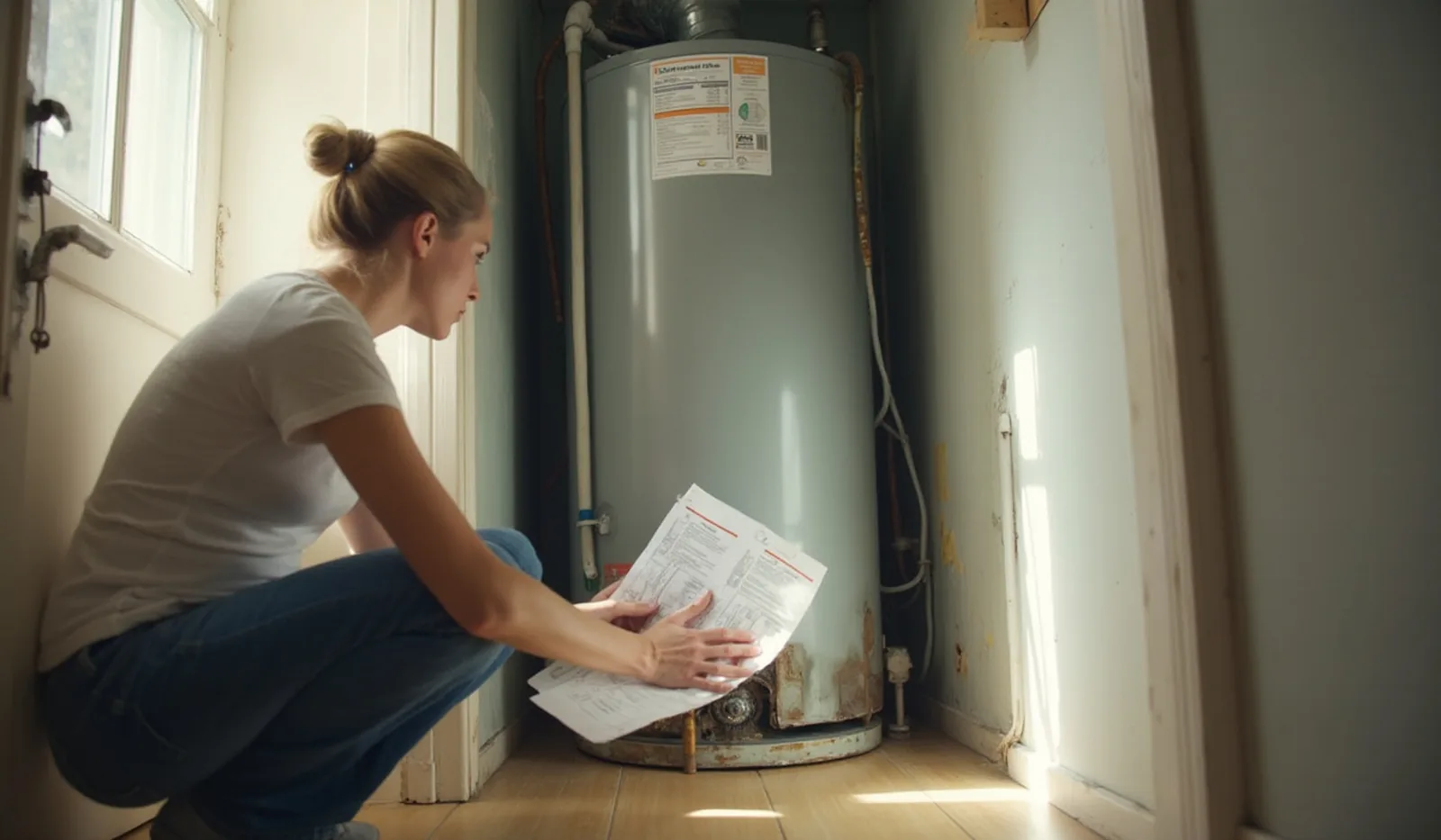
A home warranty is a renewable service contract covering the mechanical systems and major appliances in a house — the furnace and air conditioning, the water heater, plumbing and electrical, and kitchen appliances like the dishwasher, range, and refrigerator. When something covered breaks, you call the warranty company instead of a repair person. They dispatch a contractor from their own network, and you pay a service call fee for that visit while the contract is supposed to cover the rest of the diagnosis and repair.
That's a genuinely different product from homeowners insurance, which covers sudden, accidental damage — a fire, a burst pipe, a tree through the roof — but almost never covers a furnace that simply wore out. A home warranty exists precisely to fill that gap: the slow, predictable mechanical failure that insurance was never designed to touch.
The fine print that does the real work
The pitch is simple. The contract is where it gets complicated, and a few clauses show up in almost every one:
- Improper maintenance. If the company's inspector decides a system failed because it wasn't maintained — a filter that was never changed, no service records on file — they can deny the claim entirely. You're rarely in a strong position to argue the point after the fact.
- Pre-existing conditions. A claim can be denied if the company determines the problem existed before the contract started, even if nobody, including you, knew about it at the time.
- Per-item payout caps. Coverage for a given system is often capped well below what replacing it actually costs, which matters most for the expensive systems — central air, a full plumbing repipe — you bought the contract to protect in the first place.
- A fixed contractor network. You don't get to pick who shows up. If the assigned contractor is slow to schedule, cuts corners, or uses lower-cost parts, that's simply part of what you agreed to.
- A service fee due every single visit. That fee is charged whether or not the problem gets fixed on the first try, and it stacks up fast if a repair takes more than one visit to diagnose.
None of this makes a home warranty a scam. It makes it a contract, and contracts reward the side that wrote them.
Extended warranties work the same way, on a smaller scale
An extended warranty on an appliance, a gadget, or a car does the same job for a single product instead of a whole house: it adds paid coverage beyond what the manufacturer already includes for free. The trouble is timing. Manufacturer defects tend to surface early, while the free coverage is still active. Products that survive that early window tend to keep working for years past it — and when they do eventually fail, it's often well after even the paid extended term has run out. The window an extended warranty actually covers is frequently the stretch of a product's life when it was least likely to break in the first place.
The contract itself usually carries its own service fee per claim, and a clause allowing the company to replace a failed item with a refurbished or "comparable" unit rather than a new one — worth knowing before you assume a full replacement is guaranteed.

The math the sales pitch doesn't want you to run yourself
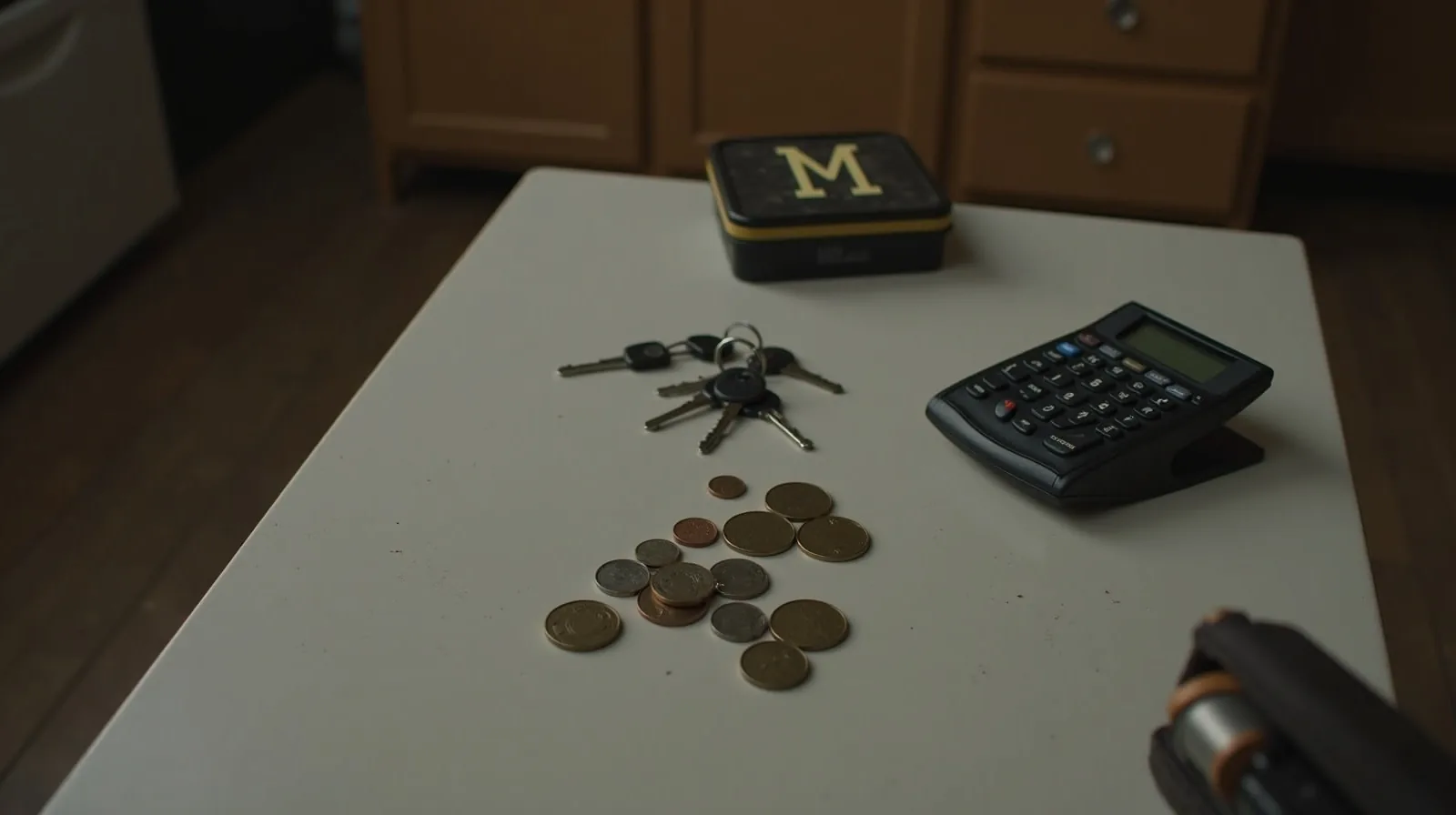
Every service contract's price has to cover three things: the payouts the company expects to make, its overhead, and its profit margin. That means the price is, by design, set higher than the average payout — otherwise the company wouldn't stay in business. Run that same money as your own sinking fund instead — a dedicated savings bucket you top off on the same schedule you'd otherwise pay a premium — and you keep the margin the warranty company would have collected. Most years, nothing breaks and the fund just grows. The year something does break, you're very likely still ahead, because you never paid anyone else's overhead or profit on top of the actual repair.
This is the same logic that applies to insurance generally: it's built to protect you against a rare loss large enough to wreck your finances, not to smooth out an expense you could reasonably plan for. A furnace or a dishwasher failing isn't rare or unpredictable in the way a house fire is — it's a matter of when, not if, and a matter you can budget for directly.
When paying for the contract can still make sense
The math favors self-insuring on average. A few situations tilt the other way:
- You don't have the fund yet. If a major repair bill right now would genuinely wreck your month, a contract with a modest, predictable service fee trades an average loss for a guaranteed, smaller one — a fair trade even if it costs more over time.
- You just bought an older home. A house with aging systems and no repair history of your own, in an area where you haven't yet found contractors you trust, is exactly the situation a warranty's built-in network was designed for.
- You own rental property. Predictable costs across several units, without managing individual contractor relationships from a distance, can be worth paying for on its own.
- You know you won't actually build the fund. Self-insuring only works if the money genuinely gets saved instead of spent. If you're honest that it wouldn't, a contract you're billed for automatically is the more realistic version of insuring yourself.
If you decide to buy one, buy it like this
Read the exclusion list before you hear the sales pitch, not after you've already decided you want the peace of mind — the exclusions are the product as much as the coverage is. Ask specifically what counts as "improper maintenance" and "pre-existing" under that contract, and what the per-item payout cap is set at for the systems that would actually cost the most to replace. Check the cancellation window before you commit further, and look up how the company handles disputes through independent consumer complaint records rather than taking the salesperson's word for it. And whenever you can, decline to decide on the spot — at a closing table or a checkout counter is the worst possible moment to read fine print carefully, which is exactly why it's offered there.
A home warranty and an extended warranty are both asking you to pay someone else to solve a problem your own savings could solve for less, on average. That "on average" is the whole story: buy either one with your eyes open to what you're really purchasing — not certainty that nothing goes wrong, but a cap on how much a specific list of things could ever cost you, minus a company's cut for taking on that limited risk.