
A no-spend month sounds like a punishment and is often the opposite: a strangely clarifying reset that teaches you more about your habits than any budgeting app ever could. The idea is simple — hit pause on all non-essential spending for a set stretch — but the value isn't really the money you save. It's what the exercise drags into the light.
What it is (and isn't)
A no-spend month means you cover the essentials and nothing else. Rent, utilities, groceries, transportation, insurance, minimum debt payments — all still happen. Everything discretionary — takeout, impulse buys, new clothes, the little conveniences — goes on hold.
It's not deprivation for its own sake, and it's not a permanent lifestyle. Think of it as a short experiment with a clear start and end, designed to interrupt autopilot and show you which spending is habit versus which is genuinely wanted.
Write your rules before you start
A no-spend month lives or dies by clear rules written in advance, when you're calm — not improvised mid-craving when your judgment is compromised. Decide two lists:
- The green list (allowed): the true essentials. Be specific. “Groceries” is allowed; “grabbing lunch out because I didn't feel like packing” is not.
- The red list (paused): the discretionary categories you're challenging — dining out, entertainment, clothes, gadgets, impulse anything.
Ambiguity is the enemy. The clearer the line, the fewer arguments you'll have with yourself at the moment of temptation.
Build in the loopholes on purpose
Here's the counterintuitive part: a realistic no-spend month plans its exceptions. Rigid rules that ignore real life get abandoned by week two. Sensible pre-approved exceptions might include a birthday you already committed to, a genuine necessity that runs out, or a pre-existing plan you can't gracefully cancel.
The key is that you decide these exceptions ahead of time and write them down. A planned exception is a rule. An in-the-moment exception is just quitting with extra steps.
How to actually get through it
Remove the friction-free temptations
Log out of the shopping sites, delete the saved payment details, unsubscribe from the marketing emails for the month. Most impulse spending relies on being effortless; add a little friction and much of it evaporates.
Replace, don't just remove
A no-spend month fails when it's all subtraction. Line up free versions of the things you'd normally pay for — cook the meal, walk the trail, borrow the book, host instead of going out. You're swapping, not just starving.
Make the progress visible
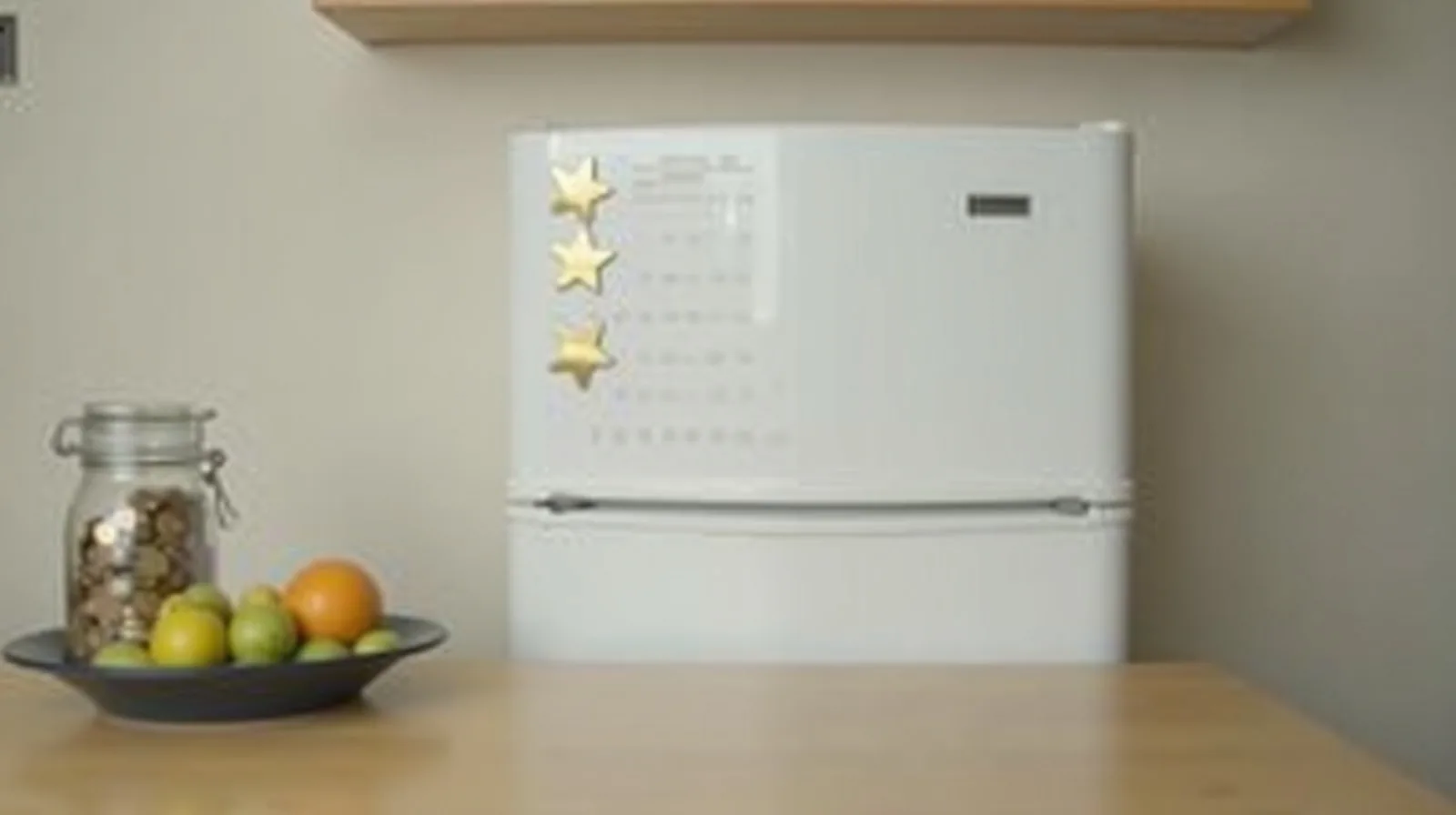
Mark each successful day on a calendar. Watching an unbroken streak build is quietly motivating, and it turns an abstract goal into a game you don't want to break.
What you actually learn
The money saved is real, but it's the smaller prize. The bigger one is the awareness. A no-spend month tends to reveal a few uncomfortable, useful truths:
- How much spending was pure autopilot — boredom, habit, or convenience wearing the mask of necessity.
- Which purchases you genuinely miss — those are worth keeping, guilt-free, when the month ends.
- How often shopping was filling a non-shopping need — stress, restlessness, celebration.
You finish with a sharper map of your own habits, and that map outlasts the challenge. The point was never to prove you can live on nothing. It was to notice what you were spending on without noticing — so that afterward, you spend on what you actually value and quietly drop what you don't.