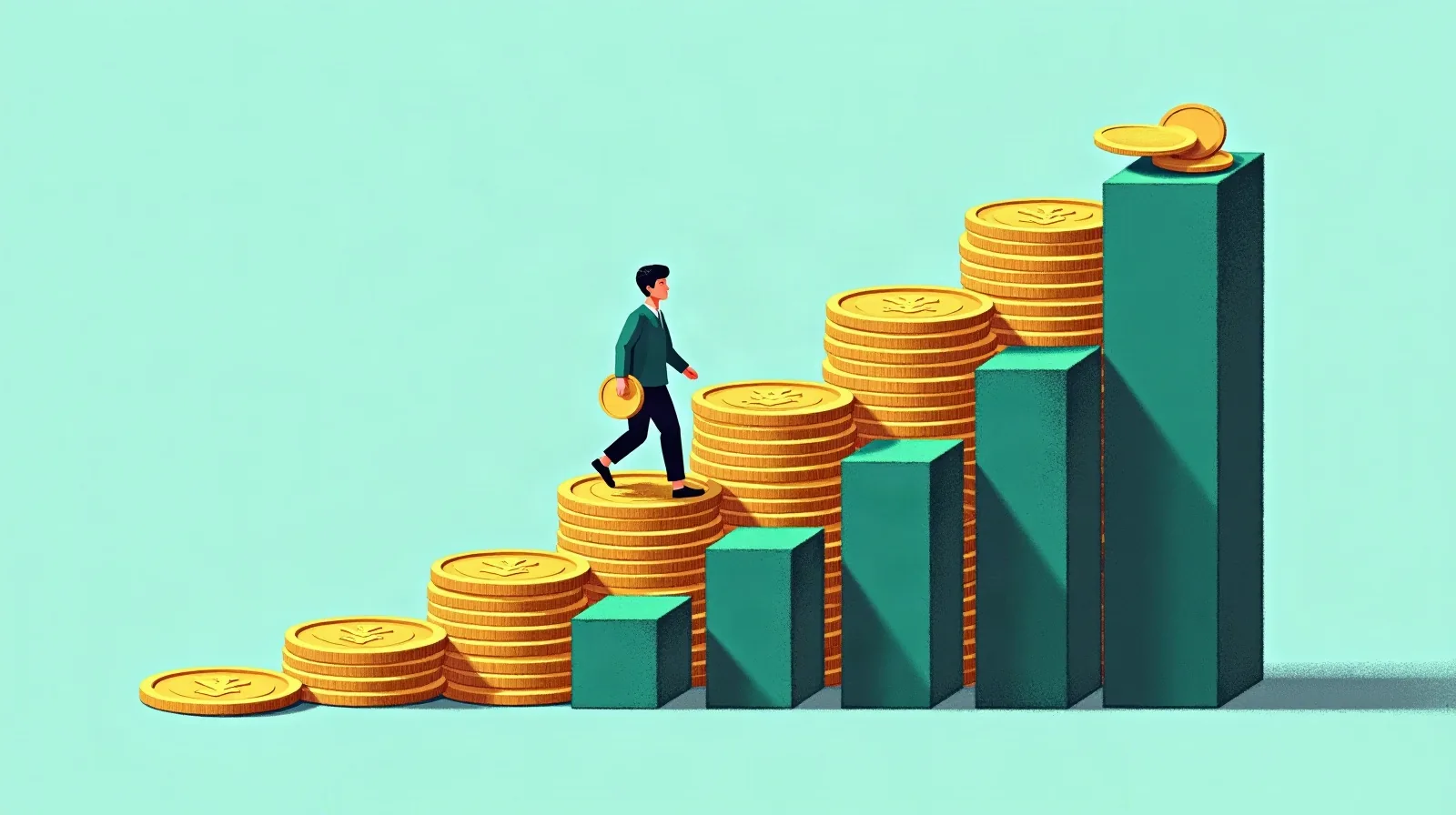
Most of us treat paying off debt early as the responsible thing to do. So it comes as a shock to learn that some loans can charge you for doing exactly that. A prepayment penalty is a fee a lender may add when you repay a loan sooner than the contract expects, and it can turn a smart payoff into a pricey one.
Why Lenders Charge for Paying Early
A lender earns its profit from interest paid over time. When you repay early, that stream of interest stops, and the lender has to find somewhere else to lend the money. A prepayment penalty is the contract's way of protecting some of that expected income.
It isn't hidden by accident, either. A loan with a penalty can sometimes come with a lower rate or easier approval, because the lender is more certain of keeping you as a customer. The fee is the other side of that bargain, and it only matters if you actually pay off early.
What Counts as "Paying Early"
Not every extra dollar triggers a penalty. The trigger is written into the loan agreement, and it usually falls into one of these buckets:
- Full payoff. Closing out the whole balance, often through a sale or a refinance.
- Large partial prepayment. Sending in a lump sum above a yearly allowance the contract defines.
- Payoff inside a set window. Many penalties only apply during the first few years, then fade to nothing.
Ordinary extra payments, like adding a little each month, often fall under the allowance and cost nothing. The catch is that the allowance and the window differ from loan to loan, so you have to read yours rather than assume.
How the Fee Is Calculated
Contracts tend to use one of a few methods, and the method matters as much as the headline fee:
- A percentage of the balance you prepay. The fee scales with the size of the payoff.
- A step-down schedule. The percentage shrinks each year, so waiting out the early years cuts the cost.
- Several months of interest. The lender charges roughly what it would have earned over a stated stretch of time.
- The "rule of 78" and similar interest-front-loading methods. Some short-term installment loans calculate the interest you owe in a way that gives you less credit for paying early than a plain balance would.
Where Prepayment Penalties Still Show Up
Penalties are far less common than they once were on standard home loans, thanks to regulation and competition, but they haven't vanished. Check for them on:
- Mortgages with non-standard features. Loans outside the mainstream, or with unusual terms, may carry one for the first few years.
- Auto loans. Some allow early payoff freely, while others, especially at certain dealer-arranged lenders, may add a charge or use an interest method that costs you.
- Personal loans. Many have none, but some do, and it's a feature worth checking before you borrow.
- Business and commercial loans. Penalties are common and can be steep, because the lender is pricing in a predictable term.
- Some private student loans. Most are penalty-free, but the paperwork is the only way to be sure.
How to Find Out Whether Yours Has One
- Read the note and the disclosure. Look for words like "prepayment," "early payoff," or "payoff fee." Mortgage and many consumer loan disclosures are required to say whether a penalty applies.
- Check the payoff section of your statement. Some servicers list restrictions or the payoff process there.
- Ask for a payoff quote in writing. A formal payoff quote shows the balance, accrued interest, and any fee, with a date it is valid through.
- Ask the direct question. "If I pay this off in full or send a large lump sum, will there be any charge?" Get the answer in writing if the amount is meaningful.

Run the Math Before You Pay
A penalty doesn't automatically mean you should wait. Compare two numbers:
- Interest you'll save by paying off now instead of on schedule.
- The penalty you'll pay to do it.
If the interest saved is clearly larger, paying early still wins, even after the fee. If the penalty is close to or bigger than the savings, consider waiting until a step-down brings it lower, or until the penalty window ends. A loan with a few months left in its window can make waiting worth it, while a loan with years of high-interest balance left usually favors paying now.
Remember too that this is a comparison of cash costs, not a moral one. Keeping a loan open to dodge a small fee makes sense only if the interest still ticking away is smaller than the fee.
Smarter Ways Around a Penalty
- Use the free allowance. If the contract lets you prepay a set portion each year, use it every year rather than saving it up.
- Time a sale or refinance. If you plan to sell or refinance, check whether the penalty has expired or steps down soon.
- Negotiate the fee. Lenders sometimes waive or reduce it, especially if you're staying a customer in another way.
- Shop for loans without one. When borrowing, treat "no prepayment penalty" as a feature worth comparing, the same way you'd compare the rate and term.
Paying Extra Without Triggering Anything
Whatever the contract says, one habit protects you: when you send extra money, tell the servicer to apply it to principal. Otherwise it can be treated as an early payment on a future month, which does nothing to cut the balance or the interest. Confirm on the next statement that the balance dropped by the full extra amount.
Debt you can pay down on your own timeline is worth more than debt you can't. Knowing the exit terms before you sign, and the exit cost before you leave, keeps that choice in your hands.