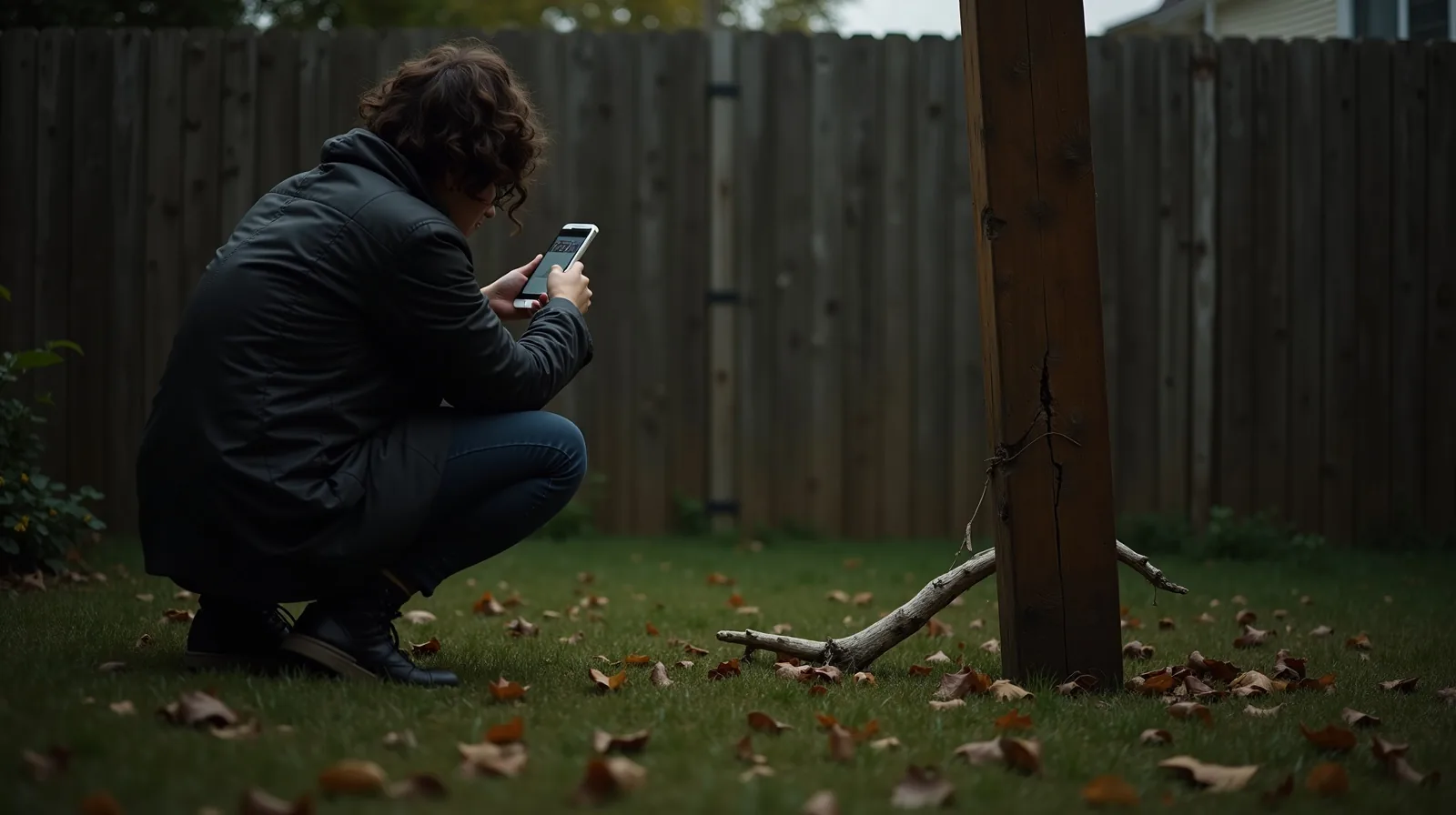
A branch comes down in a storm and takes out a section of fence, or someone backs into your bumper in a parking lot and drives off, or a pipe leaks and stains a ceiling. The damage is real, the repair quote is annoying, and you pay for insurance every month, so the instinct is obvious: file the claim. But a claim isn't a free refill of what you've paid in. On a small loss, it can cost you more than it returns, and the true price often shows up a year later, at renewal. Here's how to work out which side of the line your loss sits on.
The First Number: What the Insurer Would Actually Pay
Your insurer doesn't pay the repair bill. It pays the repair bill minus your deductible, and that single subtraction decides most small-claim questions. If the repair estimate lands only a little above your deductible, the check you'd receive is tiny. If it lands at or below the deductible, there's nothing to collect at all.
Two other things shave the payout further:
- Depreciation. Some policies pay the depreciated value of damaged items first and release the rest only after you finish the repair. Others pay full replacement cost from the start. Your policy language says which.
- Exclusions and limits. Wear and tear, gradual leaks, and certain kinds of water or weather damage are often excluded or capped. Part of what you're hoping to claim may not be covered in the first place.
So the starting question isn't "is this damaged?" It's "how far above my deductible is the estimate, after exclusions?" If you're unsure what your deductible is or why it's set where it is, how to choose your insurance deductible walks through the trade-off.
The Second Number: What the Claim Costs You Later
The payout is immediate and visible. The cost of filing is slow and easy to miss, and it tends to come from three places.
A higher premium at renewal
Many insurers raise rates after a claim, especially an at-fault auto claim or a second or third property claim in a short stretch. The increase can last for several years, so a modest surcharge repeated over multiple renewals can add up to more than the original payout. How much, and for how long, varies by company and state, and some states limit it.
Lost discounts
Claim-free discounts, good-driver credits, and loyalty pricing can quietly disappear after a claim. You won't see a line item announcing the loss; the new premium just comes in higher than the old one.
A record that follows you
Most insurers feed claims into a shared industry database, and a future insurer can see them when you shop for a new policy or buy a different home. A small claim you filed years ago can still surface in a quote. It's worth knowing what's on that record, and our guide to the insurance claims history report explains how to pull yours and fix mistakes.
Notice that none of these costs depend on the size of the claim. A small claim and a mid-sized claim can leave nearly the same mark on your record, which is exactly why small ones are the ones worth pausing over.
A Five-Step Way to Decide
- Get a real repair estimate. Guesses are unreliable in both directions. One or two quotes from reputable contractors or shops will tell you the actual size of the loss.
- Subtract your deductible. That's the most you could realistically receive, before any depreciation or exclusion.
- Ask your agent how a claim would affect renewal. Many will give a general answer without opening a claim, and you can ask whether the question itself gets logged.
- Look at your recent history. One claim after many quiet years is treated very differently from a third claim in three years.
- Compare and decide. If the likely payout is small and your record is already thin, paying out of pocket and keeping the record clean is often the better trade. If the payout is large, file.
A cushion makes this easier. Someone with a funded emergency account can afford to absorb a small repair and protect their record, while someone without one may reasonably decide the check matters more. Neither choice is wrong; the point is to make it with both numbers in view.
When the Answer Is Almost Always "File"
- The damage is large. Anything that would seriously strain your finances is what insurance exists for, and the payout dwarfs the likely rate impact.
- Someone else was hurt or their property was damaged. Liability situations aren't a place to improvise. Notify your insurer and let it handle the other party.
- There's an injury. Medical costs can surface long after an accident and grow quickly.
- You're not at fault and the other side's insurer is responsible. A claim against another party's coverage often doesn't carry the same renewal penalty, though how it's recorded depends on the situation.
- The cause could get worse. A slow leak, a failing roof, or a damaged structure can turn a small claim into a much bigger one if left alone.
The Notice Rule People Forget
Deciding not to file a claim isn't always the same as deciding not to tell your insurer. Policies typically require prompt notice of certain events, particularly accidents involving other people, injuries, or damage that might later turn into a larger loss. If you wait and the problem grows, the insurer may argue the late notice hurt its ability to investigate.
The safe habit is to document everything either way: dated photos, written estimates, receipts for repairs, and the names of anyone involved. If you decide to handle a loss yourself and the story changes, you'll have what you need to reopen the question. Read the notice and deadline language in your policy so you know which events can't be left unreported.
Myths Worth Retiring
- "I've paid premiums for years, so I should get something back." Insurance is protection against large, unlikely losses, not a savings account you draw on. Not claiming isn't wasting the policy.
- "A claim only matters if I'm at fault." Weather and other no-fault property claims can still count toward your history, and several of them in a short stretch can look risky to an insurer.
- "Asking my agent a question opens a claim." Not necessarily, but practices differ, so ask whether a hypothetical question gets recorded before you describe the loss in detail.
- "Small claims don't count." They often count the same as bigger ones when it comes to the record, which is why they deserve a second look.
- "If I don't file, I can't be penalized." Unreported damage that later worsens, or a late notice, can create problems of its own.
Insurance works best as protection for the loss that would truly hurt, not as a way to cover every repair. Knowing where that line sits for your own policy and budget is what lets you make the call calmly the next time something breaks.