Most insurance protects you from something that might happen next. Title insurance is the odd one out: it protects you from something that already happened, years or decades ago, that nobody has discovered yet. A forged signature on an old deed. A relative who was never told the house was sold. A contractor's unpaid bill from a previous owner's remodel.
If you're buying a home, it shows up as one more line at closing, and it's rarely explained well. Here's what it covers, why there are two different policies, what it doesn't touch, and how to make sure you're paying a fair price for it.
What "Title" Actually Means
Title is the legal bundle of rights that says you own a property. When a home changes hands, the seller is supposed to pass along a clean title: ownership with no competing claims attached.
The trouble is that a house can have a long paper trail. Every sale, inheritance, divorce, loan, and lien in its history leaves a record, and errors can hide anywhere in that chain. Before closing, a title company or attorney searches the public records for problems. Most issues get found and fixed during that search. Title insurance is for the ones that slip through.
What Title Insurance Protects Against
A policy covers defects in ownership that existed before you bought, but weren't discovered until after. Common examples include:
- Recording and clerical errors. A misspelled name, a wrong lot number, or a document filed in the wrong place can cloud who owns what.
- Forgery or fraud. A past deed signed by someone who wasn't the real owner, or by someone who impersonated one.
- Undisclosed heirs. A previous owner's relative who later claims a share of the property.
- Unpaid liens. A debt, like an old contractor bill or a tax obligation, that attached to the property and wasn't paid off.
- Invalid documents. A previous sale signed by someone who lacked legal capacity or authority to sign it.
If one of these surfaces, the policy typically pays for the legal work to defend your ownership, and can cover your financial loss if the claim succeeds.
Two Policies, Two Different Jobs
At closing you may be offered two separate title policies, and they protect two different people.
- Lender's policy. If you borrow to buy, your lender will almost always require this one. It protects the lender's claim on the property up to the loan amount, and it shrinks as you pay the loan down. It does not protect you.
- Owner's policy. This is the one that covers your ownership. It's usually optional, and it's the one people skip because the lender didn't insist on it.
Skipping the owner's policy is the classic mistake. If a title problem surfaces, the lender's policy protects the bank's money, and you could be left defending your own home, and your own equity, at your own expense. If you're also weighing the loan side, our guide to mortgage escrow accounts covers another closing-table item buyers often misunderstand.
How Title Insurance Differs From Everything Else You Buy
Because it's so unlike other coverage, a few differences are worth knowing up front.
- You usually pay once. Instead of a premium every year, it's typically a single payment at closing, and the owner's policy lasts as long as you or your heirs hold the property.
- It looks backward. Homeowners insurance covers damage that happens during your ownership. Title insurance covers defects that began before it. The two don't overlap; see what a homeowners policy actually covers.
- Most of the work happens before you pay. The search that finds and clears problems is a big part of what the fee buys. Claims are comparatively rare.
- Pricing is regulated, and varies. How premiums are set depends on your state, and in some places they're set by a filed rate schedule rather than negotiated.
What It Doesn't Cover
Read the exclusions before you assume you're covered for everything property-related.
- Problems that start after you buy. A neighbor's later claim, a new lien you create, or a zoning change after closing generally isn't a title defect from the past.
- Physical damage. Fire, storms, and a failing roof belong to homeowners insurance. Floods are different again; see flood insurance explained.
- Issues you already knew about. Problems you were told about, or that appear in the paperwork you signed, are usually excluded.
- Standard exceptions. Many policies list specific exceptions, such as certain easements or boundary matters a survey would reveal. Those are risks you carry unless you pay for broader coverage.
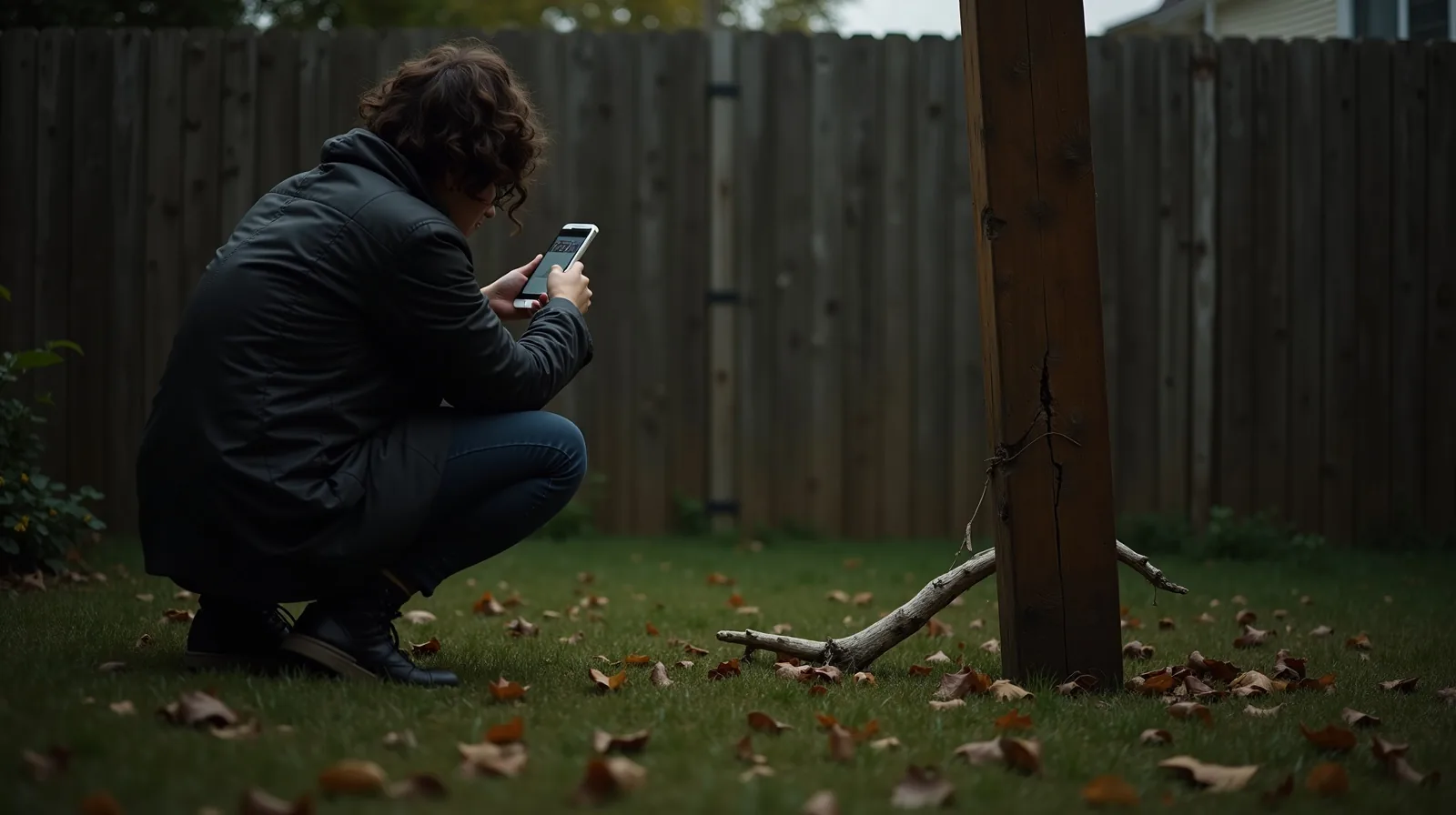
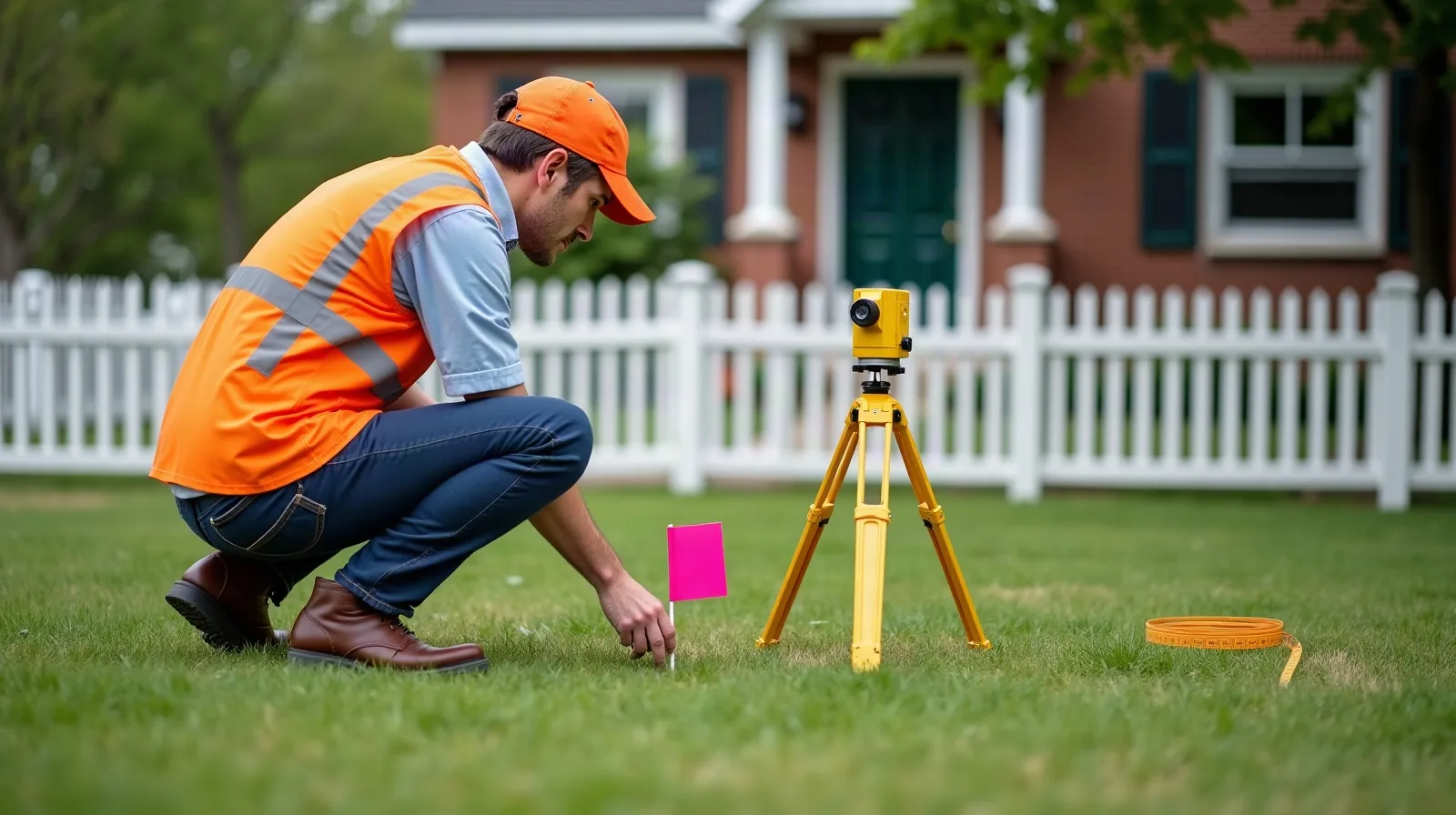
That last point is why a survey matters. A boundary dispute with a neighbor over where a fence belongs is often the kind of thing a standard policy won't resolve, and an up-to-date survey often will.
How to Check the Closing Paperwork Before You Pay
- Find the line items. Your closing disclosure should list the lender's policy and the owner's policy separately. Confirm you know which is which.
- Ask who chose the title company. In many cases you're allowed to shop for the provider or the policy, and it can be worth comparing, even if your agent or lender suggests one.
- Ask about a reissue or bundled discount. Some places discount the lender's policy when it's bought together with the owner's, or discount a recent prior policy on the same property.
- Read the exceptions list. Ask what each exception means in plain terms, and whether broader coverage is available.
- Decide about the owner's policy deliberately. Don't skip it by default because it's optional. Weigh a one-time cost against the largest asset most people ever buy.
Before closing day, ask your title company for a sample owner's policy and its exception list. A few minutes with a plain-English answer to "what isn't covered?" is worth more than the premium itself.