There's a specific kind of person who can't drive past a garage sale sign without slowing down — a hunch that something in that driveway is worth more than the sticker on it. That hunch is the entire engine behind the weekend flip: buying underpriced items locally and reselling them for more. It isn't glamorous, and it isn't passive, but done with a system it's one of the more approachable ways to turn spare hours into real cash.
The basic loop
Strip away the hunting stories and a flip is four steps repeated over and over: find something priced below its resale value, confirm it's actually worth what you think, clean or repair it so it looks its best, then list it at a price that reflects the work you put in and still sells. Miss any one of those steps — buy the wrong thing, skip the cleanup, price it like you're still angry about the purchase — and the math falls apart fast.
Where the underpriced stuff actually is
Good sourcing is less about secret spots and more about routine. The reliable channels tend to be the same ones, over and over:
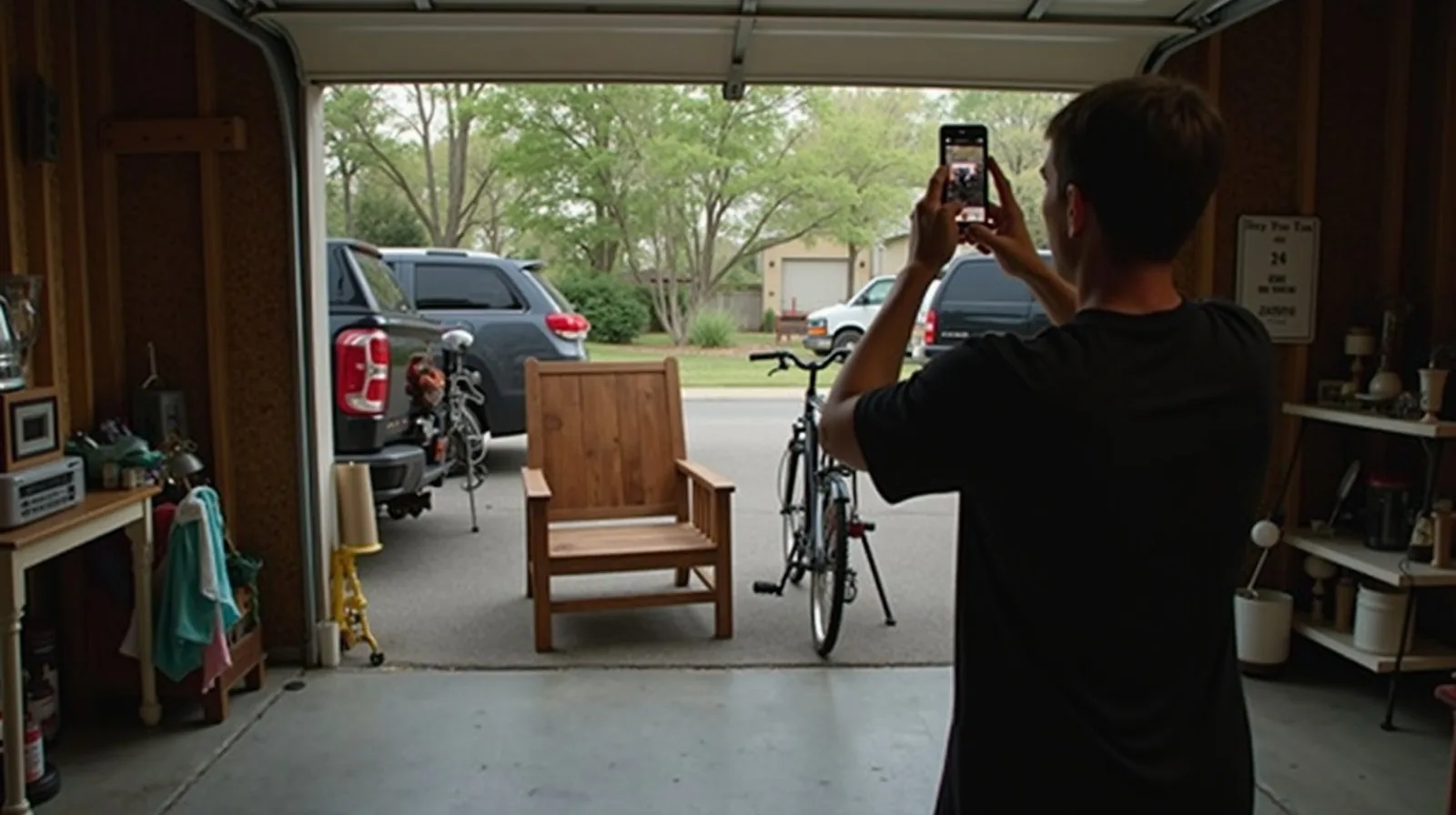
- Garage and estate sales — especially the last hour, when sellers would rather discount than repack. Estate sales often price by "get it out of the house," not by market value.
- Thrift and secondhand stores — high volume means inconsistent pricing, and a well-timed visit can turn up items priced by category rather than what they're actually worth.
- Local online marketplaces — scan new listings often, since the best deals get scooped within minutes by people who already have this habit dialed in.
- Curb finds and moving-day giveaways — free is the best price of all, if the item is genuinely sound.
Pick one or two channels and get good at them before spreading thin. Someone who deeply understands one category — furniture, tools, small appliances — will consistently out-earn someone who buys a little of everything without knowing what any of it is really worth.
Spotting real value (and avoiding duds)
The single most important skill here is knowing, before you pay, roughly what a similar item has actually sold for — not what someone is asking for it, which is a different number entirely. Search completed or sold listings in the same condition and category first. If you can't find evidence the thing sells, don't buy it on a hunch.
A few habits keep you out of trouble:
- Inspect for the failure points specific to that category — a wobble in furniture joints, a smell in upholstery, a missing part in anything with electronics or small components.
- Be honest about what you can actually fix. A cosmetic flaw is an opportunity; a structural or mechanical one is often a trap unless you specifically have the skill to address it.
- Watch for items that are cheap because they're hard to move, not because they're underpriced — oversized furniture and outdated electronics are the classic examples. Cheap and unsellable is still unsellable.
The goal isn't to be right every time. It's to be right often enough, and wrong small enough, that the wins carry the losses.
A simple pre-purchase checklist
- Have I seen comparable sold listings, not just asking prices?
- Can I identify exactly what's wrong with this item, and is it fixable by me?
- After cleanup and my time, does the resale price still leave real margin?
Cleaning and staging: where the margin is made
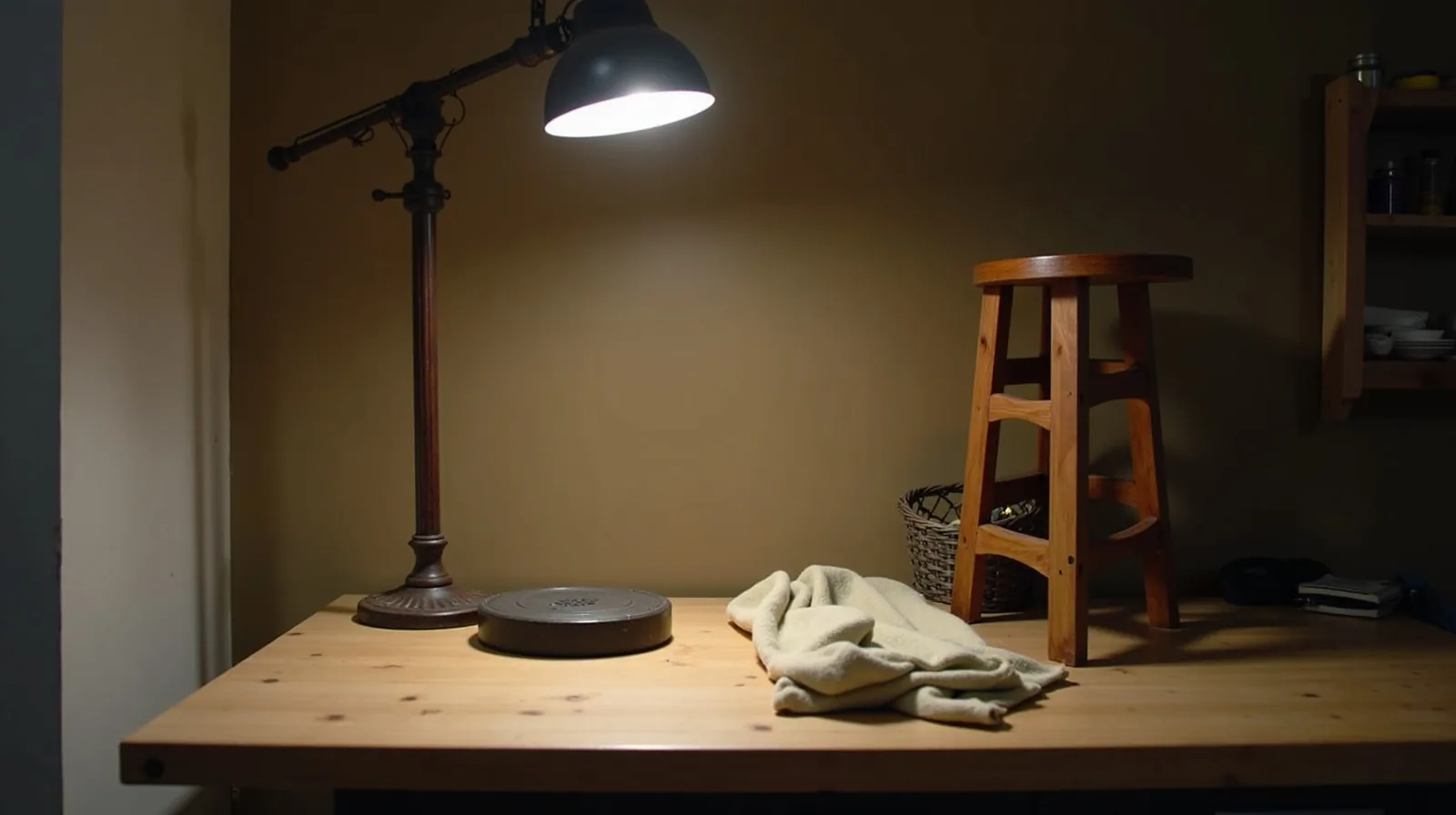
This is the step people skip, and it's the one that separates a flip from a garage-sale wash. A thorough clean, a small repair, and a fresh set of photos with good light against a plain background cost little and change how a buyer perceives the item's worth. Grouping small related items into a bundle, or pairing a piece with a matching accessory you already have, can also lift the price beyond what either piece would fetch alone.
Staging doesn't mean hiding that something is secondhand. It means making the truth of the item as appealing as possible: clean surfaces, honest photos of any flaws stated up front, and a description that reads like a person wrote it, not a form.
Pricing to actually sell
The instinct to price high "to leave room to negotiate" usually backfires — overpriced listings sit, and a listing that sits for weeks quietly signals to buyers that something's wrong with it, even when nothing is. Price close to what comparable sold items actually went for, be willing to move a bit on stubborn items, and treat a fast, fair sale as a win rather than a loss. Inventory sitting in a garage isn't profit; it's cash you can't spend, tied up in a box.
An item you can't sell isn't a bargain, no matter what you paid for it. The purchase price is only half the equation — the exit is the other half.
Meeting up safely
Local buying and selling means meeting strangers, so treat it with ordinary caution rather than paranoia or naivety. Meet in a public, well-lit place during daylight when you can — some local police stations even designate a monitored spot for exactly this kind of exchange. Bring a friend for larger transactions, tell someone where you're going, and trust your gut if a listing or a buyer feels off. For anything valuable, insist on payment that clears before you hand over the item, not an informal promise.
The honest math: is it worth your time?
Here's the part the hustle-culture version of this leaves out: flipping is not passive income. Every hour spent scanning listings, driving to a sale, cleaning an item, photographing it, and coordinating a meetup is a real hour that needs to be counted against what you earn. Small, easy-to-clean, high-turnover items tend to pay a decent hourly rate once you're efficient. Large furniture that eats storage space and takes weeks to move can quietly pay far less than it feels like while you're in the middle of it.
Track it for a month, honestly, including the time and the gas. If the number holds up, you've found a real side income. If it doesn't, you've at least learned which categories to avoid next time — which is its own kind of profit.