
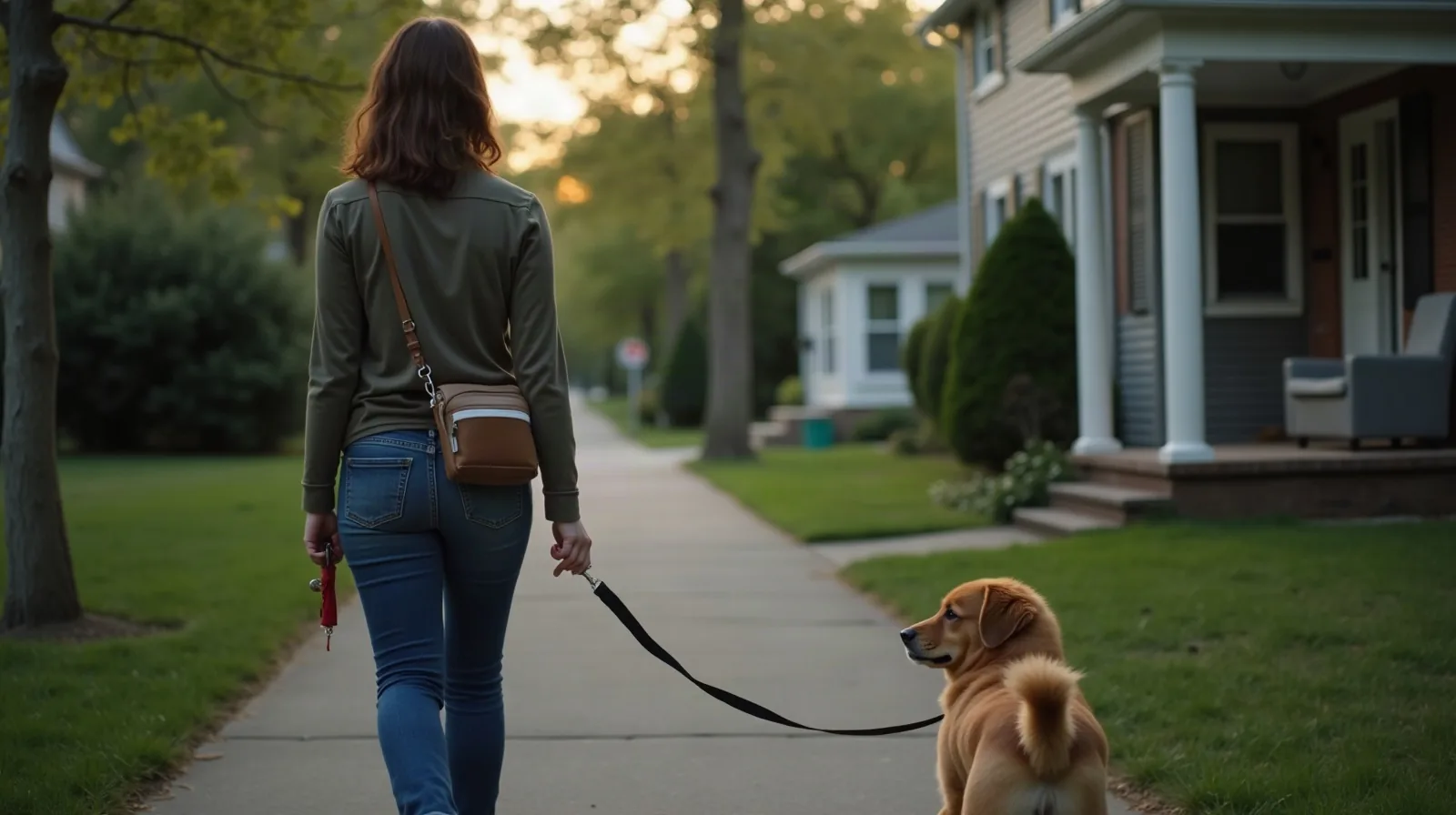
Of all the ways to make extra money, walking someone's dog or watching their cat for a weekend is the one that rarely feels like a job while you're doing it. There's no headset, no quota, no awkward pitch — just a leash, a set of instructions taped to a refrigerator, and an animal that's happy to see you. That's a big part of the appeal, and it's also exactly why so few people who do this work ever sit down and price it the way they'd price any other job.
The honest math isn't complicated, but it's rarely run. A single walk pays a small flat amount for twenty minutes of actual work; an overnight stay pays a bigger flat amount for what can amount to an entire day and night on call. Neither number tells you what the work is actually worth per hour until you count everything that surrounds the visible task — and that's where this kind of side income quietly differs from almost every other kind.
The Three Jobs Hiding Under One Label
"Pet sitting" gets used as a catch-all, but it's really three different jobs with three different time-and-money shapes, and mixing them up is the first place the math goes wrong.
- The walk. A short, scheduled block — usually somewhere between fifteen and forty-five minutes — with a clear start and end. It pays the least per visit but is the easiest to stack several of in a single afternoon if the clients live close together.
- The drop-in visit. A slightly longer stop, often for a cat or a dog that doesn't need a full walk — feeding, fresh water, a litter box or yard check, a bit of company. It pays a bit more than a walk and fits into a schedule almost as easily.
- Overnight or multi-day boarding. The animal stays with you, or you stay at their home, for a full stretch of time. It pays the most per booking by a wide margin, but it isn't a task you complete and move on from — it's a standing commitment that occupies your evenings, your mornings, and often your weekend plans for its entire length.
Treating all three as one interchangeable side hustle is how the math gets muddled. A week of overnight bookings and a week of scattered walks can show the same total deposit and still represent wildly different amounts of your actual time and freedom spent.
The Hourly Number the Booking Screen Doesn't Show You
A walk's listed rate looks like a clean per-visit price, but it isn't a per-hour wage, and treating it like one overstates what the work pays. Start with the drive or the walk to get there: a twenty-minute walk that requires fifteen minutes of travel each way has quietly become a fifty-minute commitment for the pay of a twenty-minute one. Multiply that across four or five scattered clients in a day, and the travel time between visits can end up rivaling the time spent actually working.
Overnight boarding inverts the problem. The per-night rate looks generous next to a single walk's fee, until it's divided by the hours it actually occupies — feeding and yard time at both ends of the day, plus every hour in between where you're not free to leave, make other plans, or take a booking anywhere else. A rate that looked like a great hourly return when you first quoted it can quietly become a modest one once the whole day and night are counted, not just the few minutes of hands-on care inside it.
What the Rate Doesn't Cover
Beyond the time math, a handful of real costs sit outside the number a client agrees to pay, and they're easy to discover only after something goes wrong.
- The emergency that isn't yours to plan for. An animal in your care can get sick, get loose, or get hurt on your watch through no fault of your own, and a vet visit or a damaged item in someone else's home can turn a good week into an expensive one fast. Liability coverage or bonding built for this kind of work closes that gap; skipping it is a real, if invisible, discount you're giving every client.
- Wear on your own home. If animals come to you rather than the other way around, boarding adds real, if modest, costs of its own — extra cleaning, replaced bedding or flooring over time, higher water and utility use, and the occasional accident that needs more than a paper towel.
- The demand you can't say no to without losing the client. Bookings cluster hardest around holidays and long weekends — precisely the stretches when your own plans would otherwise fill that same calendar. Saying yes consistently during peak weeks is often the real price of building a reliable client base, and it's worth counting as a cost, not just a bonus opportunity.
- The no-show and the last-minute cancellation. A client who reschedules the night before a booking, or a trip that gets cut short, can erase income you'd already planned around. A clear cancellation policy, agreed to before the booking is confirmed, is what keeps this risk from landing entirely on you.
Reliability Is the Actual Product
The service being sold here isn't really the walk or the feeding — it's the trust that lets someone hand over a house key and leave the country without checking their phone every hour. That trust is what turns a one-off booking into a repeat client, and repeat clients are where this work actually starts to pay well, because they remove the most expensive part of the job: finding the next booking.
A new client costs you time and a little bit of anxiety on both sides before anyone's earned anything. A returning client already trusts the key, the routine, and the updates — which is exactly why a handful of steady regulars almost always beats a rotating stream of one-time bookings, even at the same rate.
A short written care sheet for every new client — feeding amounts, medication, a vet's contact, what to do if something goes wrong — does double duty: it protects the animal, and it signals a level of seriousness that turns a one-time booking into a standing one. Photo or text updates during a visit cost almost nothing and are consistently what clients mention when they explain why they keep coming back to the same person.
An Honest Framework for Whether It's Worth Your Time
Run the real math and this work tends to land clearly in one of two categories, not the vague middle most people assume.
It tends to pay well when your clients live close enough together that travel time stays small, when you can comfortably stack several walks or drop-ins into a single outing, when you already have the flexible schedule that makes overnight bookings easy to say yes to without disrupting paid work elsewhere, and when a growing base of repeat clients means less of your time goes to finding the next booking.
It tends to pay poorly when clients are scattered and travel eats a big share of each visit, when overnight bookings routinely collide with your own plans and you take them anyway out of guilt or fear of losing the client, when you're paying out of pocket for an emergency vet visit that a modest bit of coverage would have absorbed, or when a string of last-minute cancellations keeps landing on you with no policy in place to soften them.
None of this is a reason to skip the work — for the right schedule and the right neighborhood, it's a genuinely good source of side income, and unlike a lot of side hustles, most of the "job" is time you'd have wanted to spend outside anyway. It's just worth knowing, before you take the first booking, which of the three jobs you're actually saying yes to.