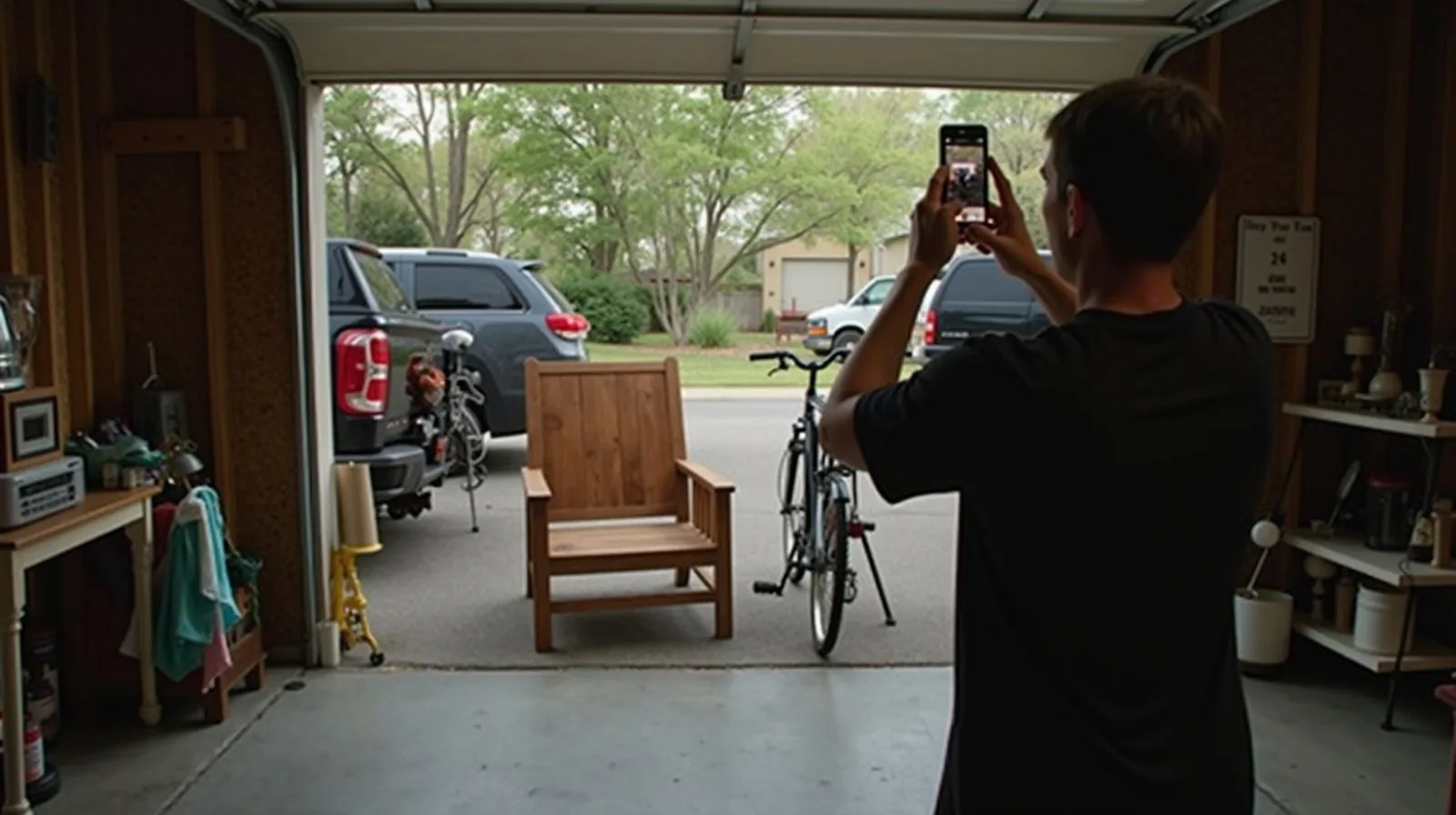
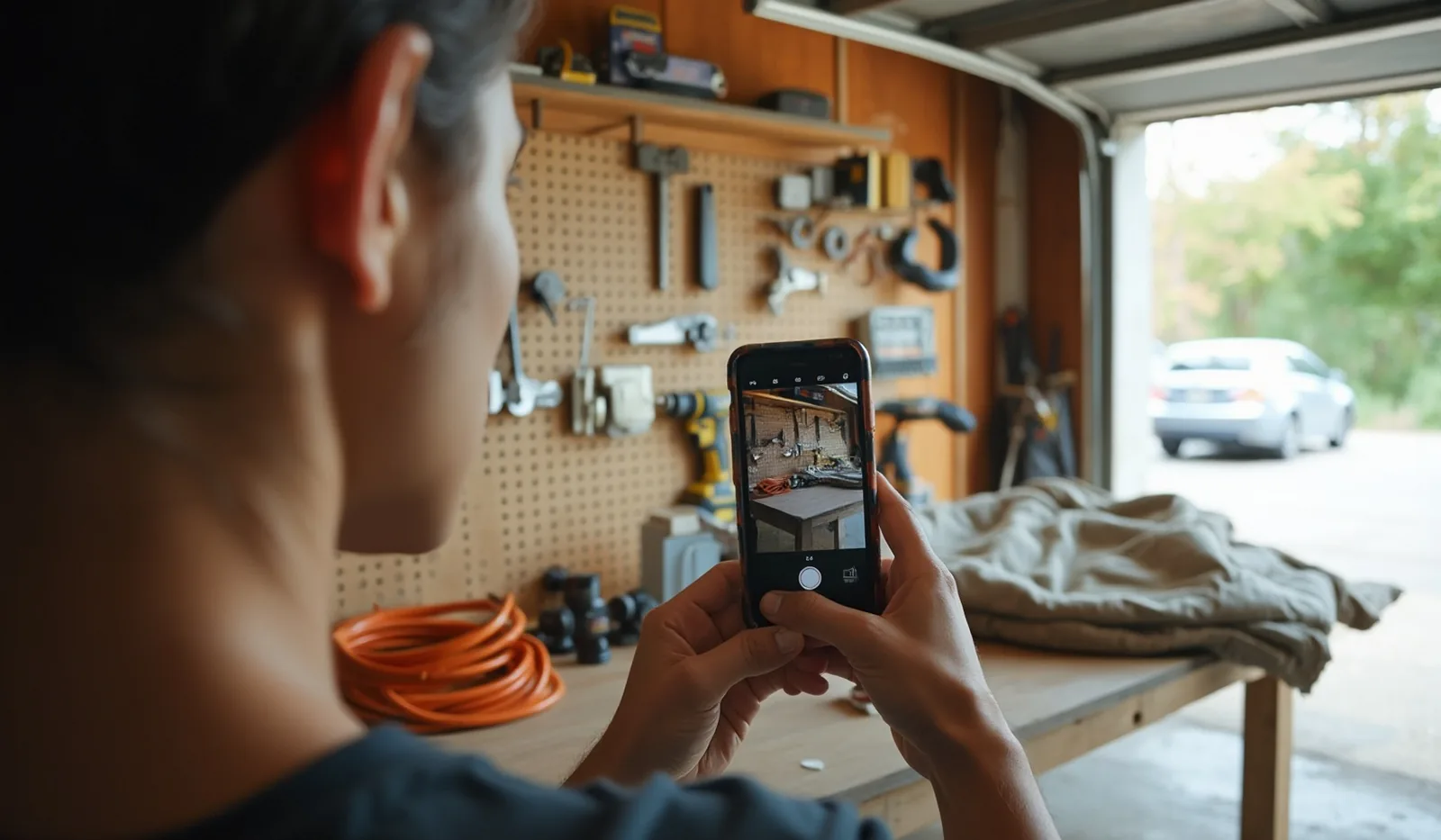
Most of what you own spends the majority of its life doing nothing. The car sits in a driveway for something like twenty-two hours a day. The pressure washer comes out twice a year. The spare room stays empty except when someone's visiting for the holidays. Selling one of these things gets you a single lump sum and then it's gone — but you don't actually have to choose between "keep it and use it" and "get money for it." Renting it out sits in the middle: you keep the thing, you keep using it whenever you need it, and the hours it would've spent idle start quietly earning instead.
This isn't a hustle that demands a second job's worth of hours. Done well, it's closer to a habit — list the thing once, set a fair price, and let the idle time do the work. Done carelessly, it can also mean a stranger driving your car or a tool coming back broken with no way to make it right. The difference between the two outcomes is almost entirely in the setup, not the item.
The Stuff Sitting Idle Is Worth More Than You Think
The easiest way to spot a rentable asset is to ask a blunt question about anything you own: how often is this actually in use, versus how often is it just sitting there taking up space? A car, a truck bed, a parking spot, a set of power tools, a pressure washer, camping gear, a projector, a spare bedroom — all of these share the same shape. They cost real money once, they get used in short bursts, and the rest of the time they're pure dead weight on your balance sheet. Renting doesn't create new value out of nothing. It just recaptures value you already paid for and were otherwise letting evaporate.
That reframe matters because it changes how you should feel about doing this. This isn't begging strangers for money off your stuff — it's collecting a return on an asset you already own, the same way a bank collects interest on money it isn't currently spending. You bought the drill. Someone else needs a drill for one Saturday. Everybody's better off if the drill changes hands for a day instead of that other person buying a whole new one to use twice.
What Actually Rents
Not everything you own is a good rental candidate, but the categories that consistently work share a few traits: they're durable, they're easy to hand off and get back, and the damage from a bad experience is recoverable rather than catastrophic.
- Vehicles and vehicle space. A car that sits most of the week, a driveway or garage spot near an event venue or transit stop, even an empty stretch of yard for boat or RV storage — all of it has a market, especially in dense areas where parking is genuinely scarce.
- Tools and equipment. Anything homeowners buy for a single project and then store forever — pressure washers, tile saws, ladders, generators, carpet cleaners — rents well because buying one outright rarely makes sense for a one-time job.
- Occasional-use gear. Camping equipment, projectors and screens for a backyard movie night, folding tables and chairs for a party, a trailer for a single move. Anyone who needs it once a year would rather rent it from you than buy and store it themselves.
- Spare space. An unused room, a garage bay, a basement, or even closet space can rent as storage or short-term lodging, depending on what your local rules and your comfort level actually allow.
Notice what's missing from that list: anything irreplaceable, anything fragile in a way you can't put a number on, and anything where "it comes back damaged" would genuinely wreck your week. If losing the thing for good would be a real loss and not just an annoyance, it's usually not worth renting out.
Price It Like an Asset, Not a Favor
The most common mistake first-time renters make is pricing out of guilt — charging a token amount because it feels awkward to charge a friend's-rate-plus for something you're not even using. Flip the logic. A fair rental price covers three things: the wear the item takes on, the risk you're accepting that it comes back damaged or late, and the inconvenience of not having it available to you while it's gone. None of those are favors. They're real costs, and pricing below them just means you're subsidizing a stranger's project out of your own pocket.
A workable way to land on a number: check what similar items or spaces near you actually rent for, then adjust up or down based on condition and demand. If you're consistently the cheapest listing in your area and it's still not moving, the problem usually isn't the price — it's the photos, the description, or the pickup logistics. Raise the price before you assume nobody wants it.
Where These Rentals Actually Happen
Peer-to-peer rental marketplaces exist for most of these categories now — vehicles, driveways and parking, tools and equipment, event gear, and spare rooms or storage space each have dedicated platforms, alongside general local marketplaces where people already buy and sell secondhand goods. A quick search for your item type plus "rental" will usually surface the platform that's actually active in your area; adoption varies a lot by city, so what's thriving in one place can be nearly empty in another.
Whichever platform you choose, favor ones that hold a deposit, verify renters somehow, and offer some form of protection if the item comes back damaged. Handing your car keys or garage door code to a total stranger with zero verification and no recourse is a different risk profile than doing it through a platform that at least screens for it.
The Risks Worth Managing Before You List Anything
Renting out something you own isn't risk-free, and pretending otherwise is how people get burned. The risks are manageable, but only if you actually think about them before the first booking instead of after something goes wrong.
- The insurance gap. Your regular auto, homeowners, or renters policy was almost certainly written assuming personal, non-commercial use. Renting your car, your driveway, or your spare room to strangers for money can fall outside what that policy covers — sometimes entirely, sometimes in ways that only show up after a claim is denied. Check with your insurer before you list anything, and lean toward platforms that carry their own coverage layered on top.
- Wear, damage, and the deposit that has to actually cover it. A security deposit only protects you if it's large enough to matter and the platform actually enforces it. Photograph condition before every handoff so a dispute isn't just your word against theirs.
- Liability if someone gets hurt. A ladder that fails, a pressure washer used unsafely, a guest who slips in a rented room — you want to know, in advance, whether you or the renter carries that risk, not find out during a dispute.
- Screening and boundaries. You're allowed to decline a booking that feels off, require ID, set a mileage or usage cap, or simply say no to a request that doesn't sit right. A platform's default settings are a starting point, not a ceiling on what you're allowed to require.
The goal isn't to eliminate risk — owning anything and letting it leave your sight carries some. The goal is to make sure the risk you're accepting is one you actually chose, priced, and can survive if it goes wrong.
Renting Income Is Still Income
It's easy to mentally file rental money under "extra cash" and forget it the moment it lands, but depending on how much and how often you rent, it can cross into territory your tax authority cares about, and the rules for what's taxable, what can be deducted, and what paperwork applies vary by jurisdiction and by how the specific category of rental is treated. Keep a simple running record of what came in and what you spent on cleaning, repairs, platform fees, or wear-related upkeep — a notebook or spreadsheet is enough. That record is also what saves you if an insurer or a tax authority ever asks what this income actually was.
When Renting Beats Selling — and When It Doesn't
Renting isn't automatically the better move just because it sounds less final than selling. It makes the most sense when you still use the item occasionally yourself, when it holds its value well enough that gradual wear doesn't wipe out what it's worth, and when the logistics of handoffs and pickups genuinely fit your schedule. It makes less sense for something you'd rather be rid of entirely, something that depreciates fast regardless of care, or something where even occasional access by strangers isn't a trade-off you want to make — in those cases, selling once and being done with it is the saner choice.
The honest test is simple: would you be relieved or annoyed the next time this item leaves your possession for a weekend? Relieved means you've found a good rental candidate. Annoyed means you'd rather sell it, use it in peace, or let it keep sitting idle — and any of those is a perfectly fine answer too.