You land, find the rental desk, and the agent starts the standard script: do you want the damage waiver, the liability upgrade, the personal accident add-on? The line behind you is growing, the agent is friendly but insistent, and you suddenly can't remember whether your own car policy covers this. Most people say yes to whatever's offered or no to everything, and both are guesses. The better move is to figure out the answer before you travel, because most of this decision can be made at your kitchen table.
The Four Things the Counter Sells
Rental companies bundle several different products under the word "insurance," and they cover very different risks:
- Collision or loss damage waiver. Technically not insurance at all. It's an agreement that the company won't bill you for damage to, or theft of, the rental car itself. It's usually the most expensive add-on, and the one people most need to understand.
- Supplemental liability. Extra protection if you injure other people or damage their property, on top of whatever minimum the rental already carries. This is the one that guards your savings against a serious accident.
- Personal accident coverage. Medical and accidental death benefits for you and your passengers, which often overlaps with health insurance you already hold.
- Personal effects coverage. Reimbursement if belongings are stolen from the car, which often overlaps with a renters or homeowners policy.
Seen separately, each has a different answer to the question "do I already have this?"
What You May Already Have
Before paying for anything, check three places you're likely covered, at least partly.
Your own auto policy
For many drivers, the coverage on the car they own extends to a rental car, at least inside their home country. Liability usually carries over, and so can collision and comprehensive, if you carry them on your own vehicle. The details matter: your deductible still applies, a claim goes on your record and can affect future premiums, and policies often don't extend to unusual rentals such as moving trucks, large vans, or exotic vehicles. If you don't own a car, you have nothing to extend.
Your credit card
Many cards include rental car damage coverage when you pay for the whole rental with that card and decline the company's damage waiver. Two distinctions decide how useful it is. Secondary coverage only picks up what your own auto insurance doesn't, so you'd file with your insurer first. Primary coverage pays first and keeps your own policy out of it. Card coverage also tends to exclude liability, certain vehicle types, rentals past a set number of days, and some countries, so read the benefit guide rather than assuming.
Your other policies
Health coverage often handles medical costs after an accident, which is why personal accident add-ons tend to be redundant. Renters or homeowners coverage frequently extends to belongings stolen from a car, though usually subject to your deductible.
The Gaps That Actually Hurt
Even with all of that, a few holes show up again and again:
- Loss of use and administrative fees. Rental companies bill for the days a damaged car sits in the repair shop, plus fees for handling the claim. Some policies and cards cover these; many don't.
- Diminished value. The company may claim the car is worth less after a repair. Coverage for this is patchy at best.
- Liability limits that are too low. If you don't own a car, or your own limits are modest, a serious at-fault accident can exceed what's covered.
- Driving abroad. Your home policy and card benefits may stop at the border, and some countries require specific coverage by law.
- Drivers who aren't you. A friend or relative who isn't listed on the rental agreement may not be covered by anything.
A Five-Minute Check Before You Travel
- Call your auto insurer and ask whether your liability, collision, and comprehensive extend to a rental, in what places, and for how many days.
- Read your card's benefit guide and note whether it's primary or secondary, what it excludes, and what you must do to activate it, usually paying for the entire rental on that card and declining the waiver.
- Look at your liability limits. If a bad accident could outrun them, consider the rental company's supplemental liability, or ask whether an umbrella policy already covers it.
- Decide for each add-on separately: covered elsewhere, partly covered, or a real gap.
- Write it down. A short note on your phone saves you from deciding under pressure.
When the Counter's Coverage Is Worth Buying
Buying the damage waiver isn't foolish. It makes sense in several situations: you don't own a car and have no personal policy, your card coverage doesn't apply to this rental, you'd rather not risk a claim on your own record, or you're renting abroad where your usual protection doesn't reach. Think of the waiver's price as the cost of making a possible five-figure problem simply go away. For a short, low-risk rental where you're already covered, it's likely duplication.
At the Counter and on the Lot
- Know the exact wording of what you're declining, since "waiver," "insurance," and "protection" are used loosely.
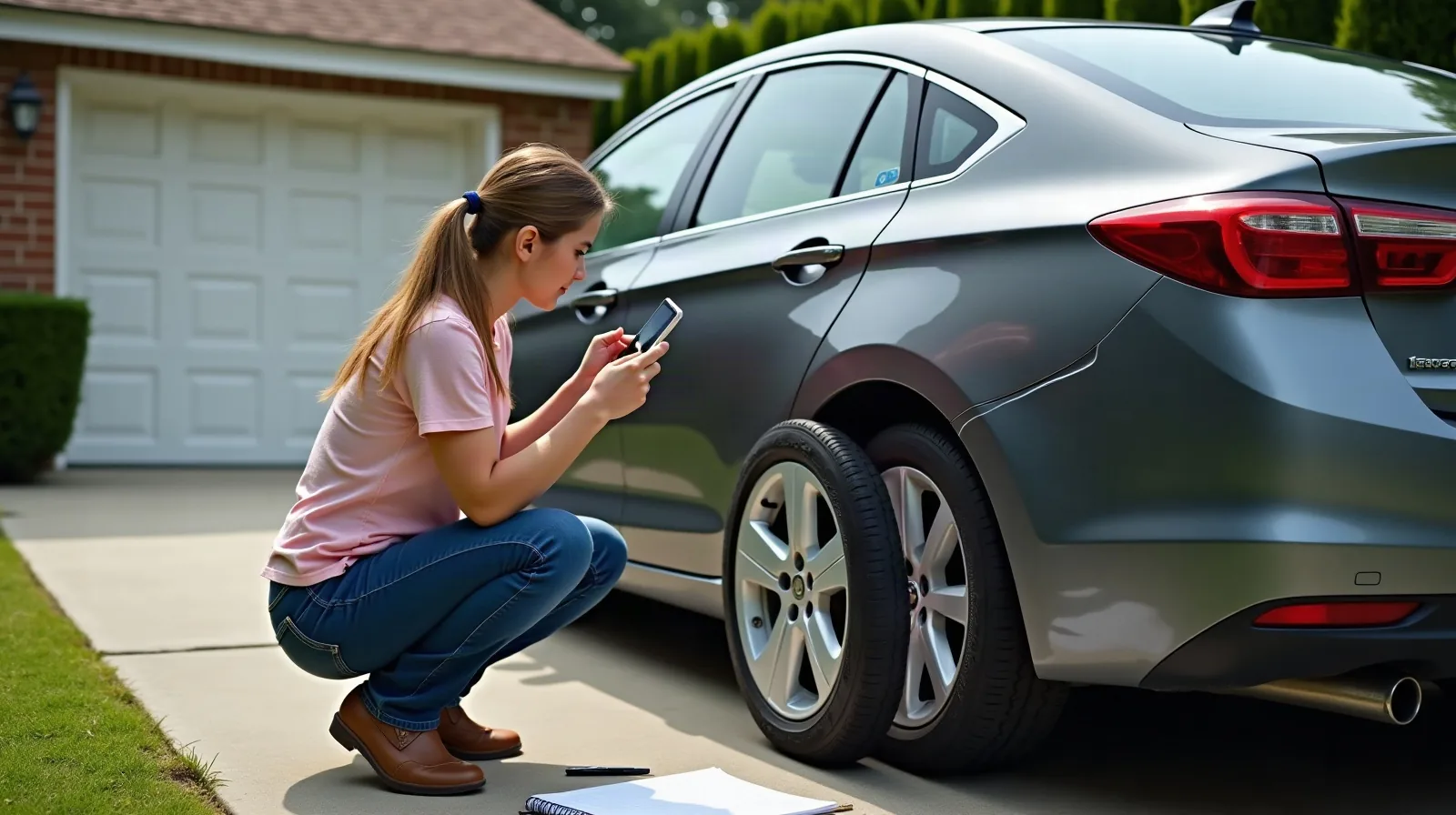
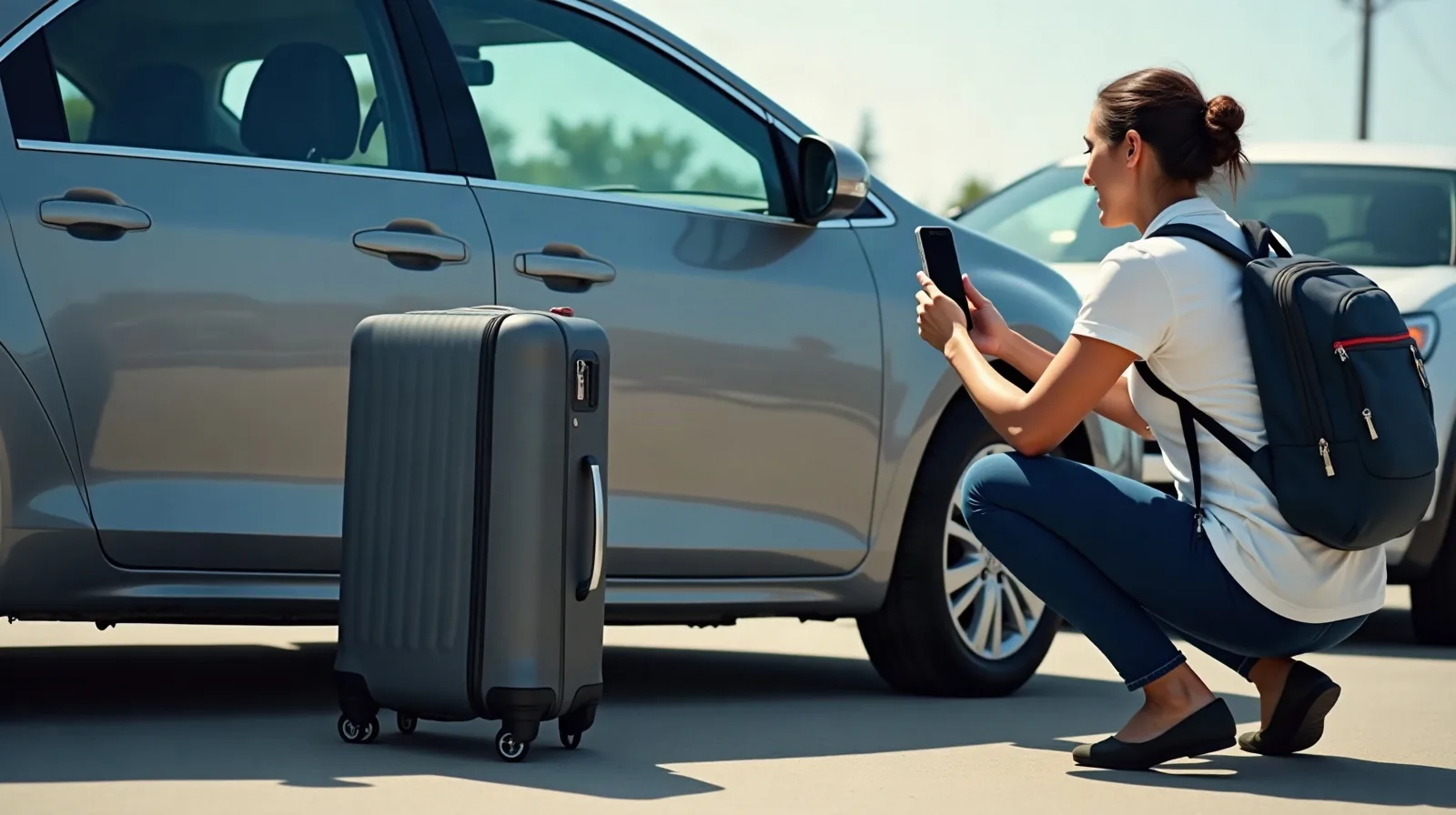
- Inspect the car and photograph every side, including wheels, windshield, and the interior, with a timestamp, before driving away.
- Report existing damage and have it noted in writing.
- Get a closed-out receipt when you return it, ideally with an attendant confirming the condition.
- If something happens, report it to the rental company right away and notify whichever coverage you're relying on within its deadline.
Myths Worth Retiring
- "My card covers everything." Card benefits usually cover damage to the rental car under specific conditions, and typically not liability.
- "My own policy always follows me." It often does, but with your deductible, your claims record, and exclusions for certain vehicles and countries.
- "The waiver is insurance." It's a contract term that releases you from certain charges, which is why it can still leave fees outside its scope.
- "Declining coverage means I'm unprotected." Often the opposite is true; you may already hold more protection than the counter's product adds.
- "I have to decide at the counter." You don't, and you shouldn't. The best time to decide is a week earlier.
A few minutes of homework turns an uncomfortable, high-pressure moment into a quick "no thanks, I'm covered" or a confident "yes, I want that one." Either way, you know why.